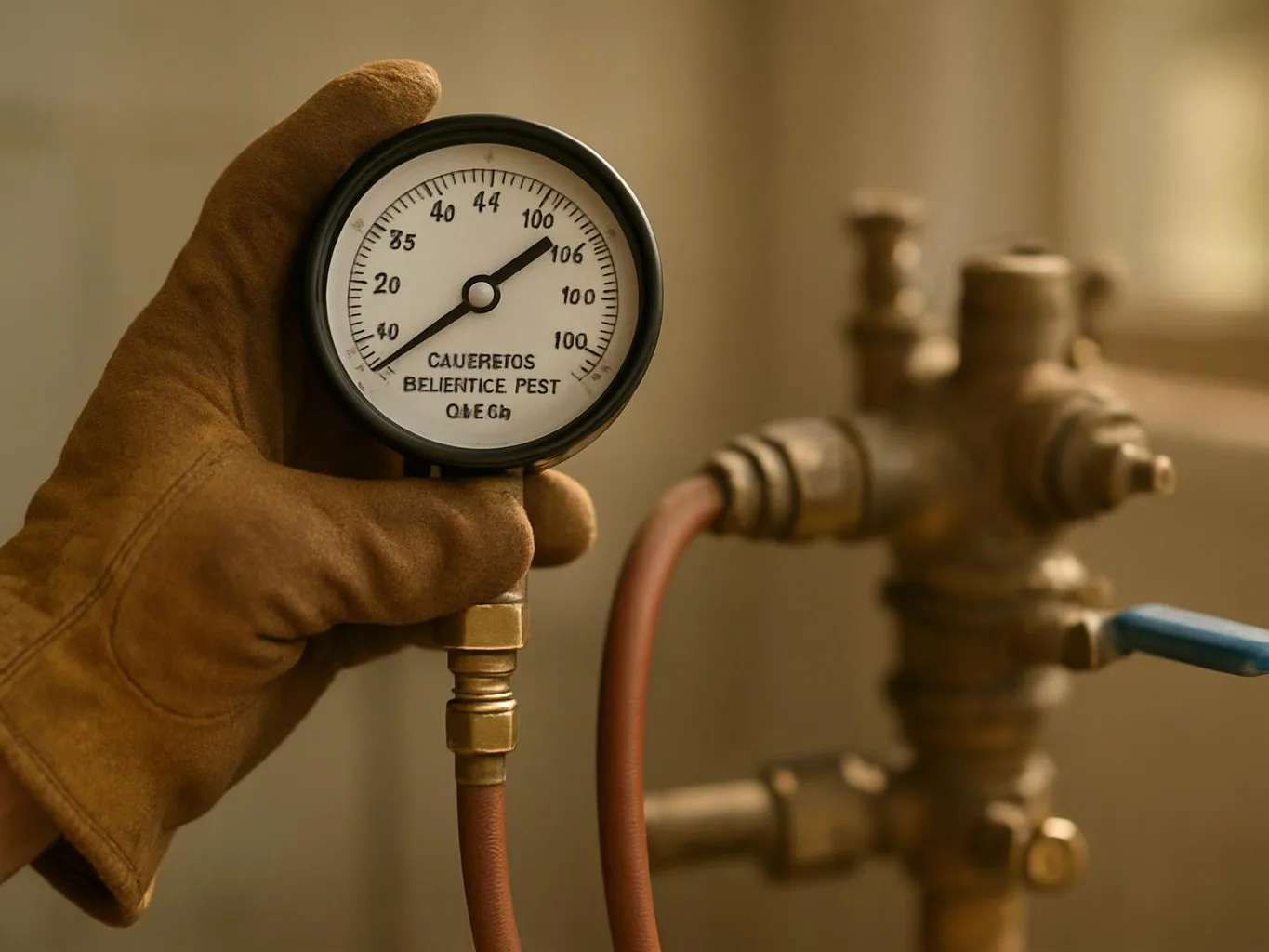
A Pre-Winter Plumbing Checklist for Cold Snaps and Trips in Maple Valley, Washington
A winter plumbing checklist helps prevent frozen and burst pipes by protecting exposed plumbing, preparing outdoor faucets, and checking indoor water lines before leaving home. PlumbingMaplevalley.info uses this process to help Maple Valley, Washington homeowners spot risks early and arrange Frozen Pipe Repair when needed.
Request an EstimateWhy Maple Valley Homes Need a Cold-Weather Plumbing Check
Cold-weather plumbing checks help Maple Valley, Washington homeowners protect exposed or poorly protected pipes when freezing temperatures arrive.
Occasional freezing temperatures can affect exposed plumbing and increase the risk of frozen pipes and burst pipes. This risk is higher where pipes run through unheated crawl spaces, basements, garages, or exterior walls.
Seasonal wet weather can also increase runoff, drain loading, sump-pump demand, and water-intrusion risk. Add those checks to your home winterization routine when wet ground or heavy runoff affects your property.
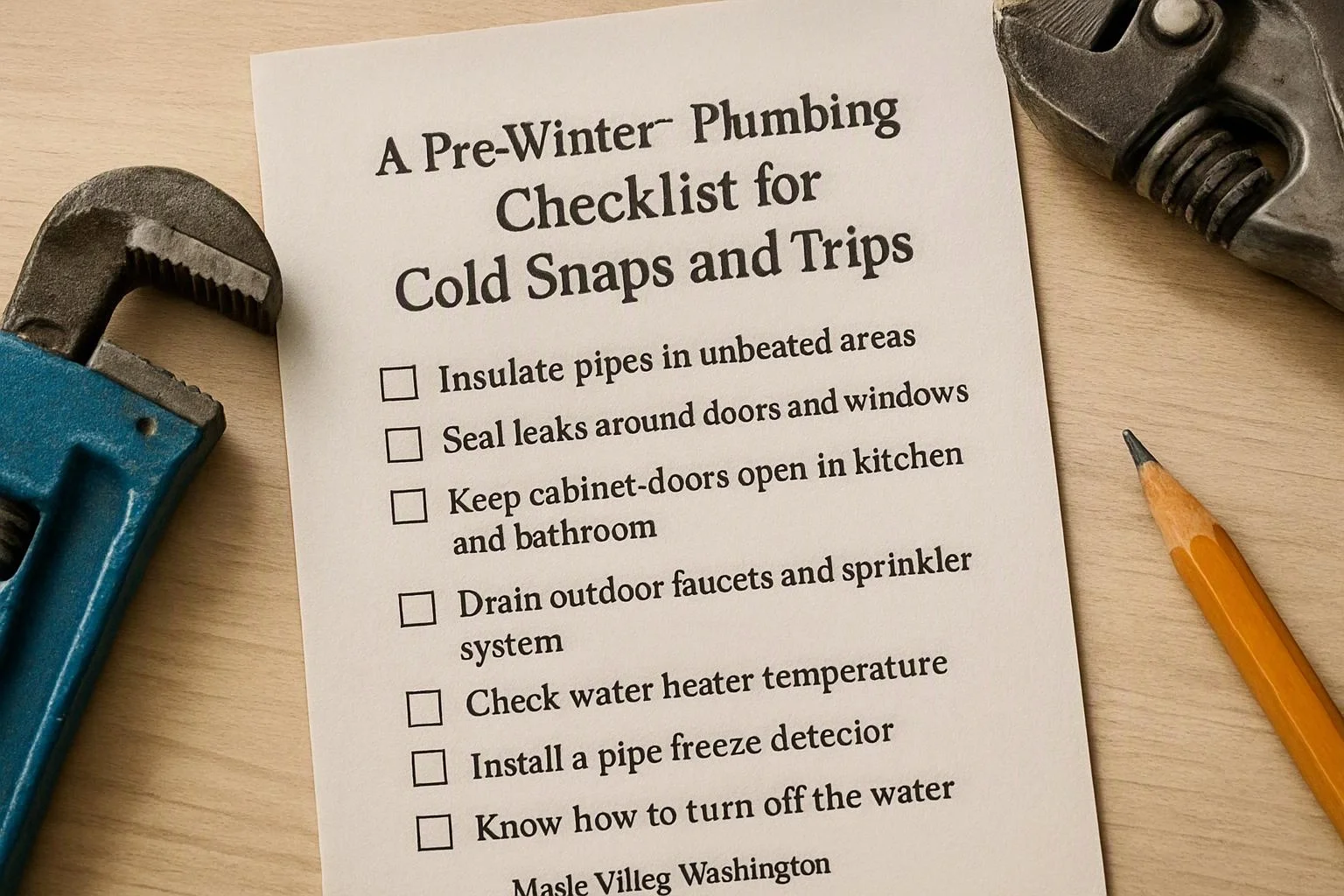
Before a Cold Snap: Prepare Your Plumbing
Before a cold snap, prepare water supply lines and exposed plumbing so freezing temperatures have fewer ways to cause damage. Our team uses the same inspection points when we assess winter risks.
How to Prepare Outdoor Faucets and Exposed Pipes
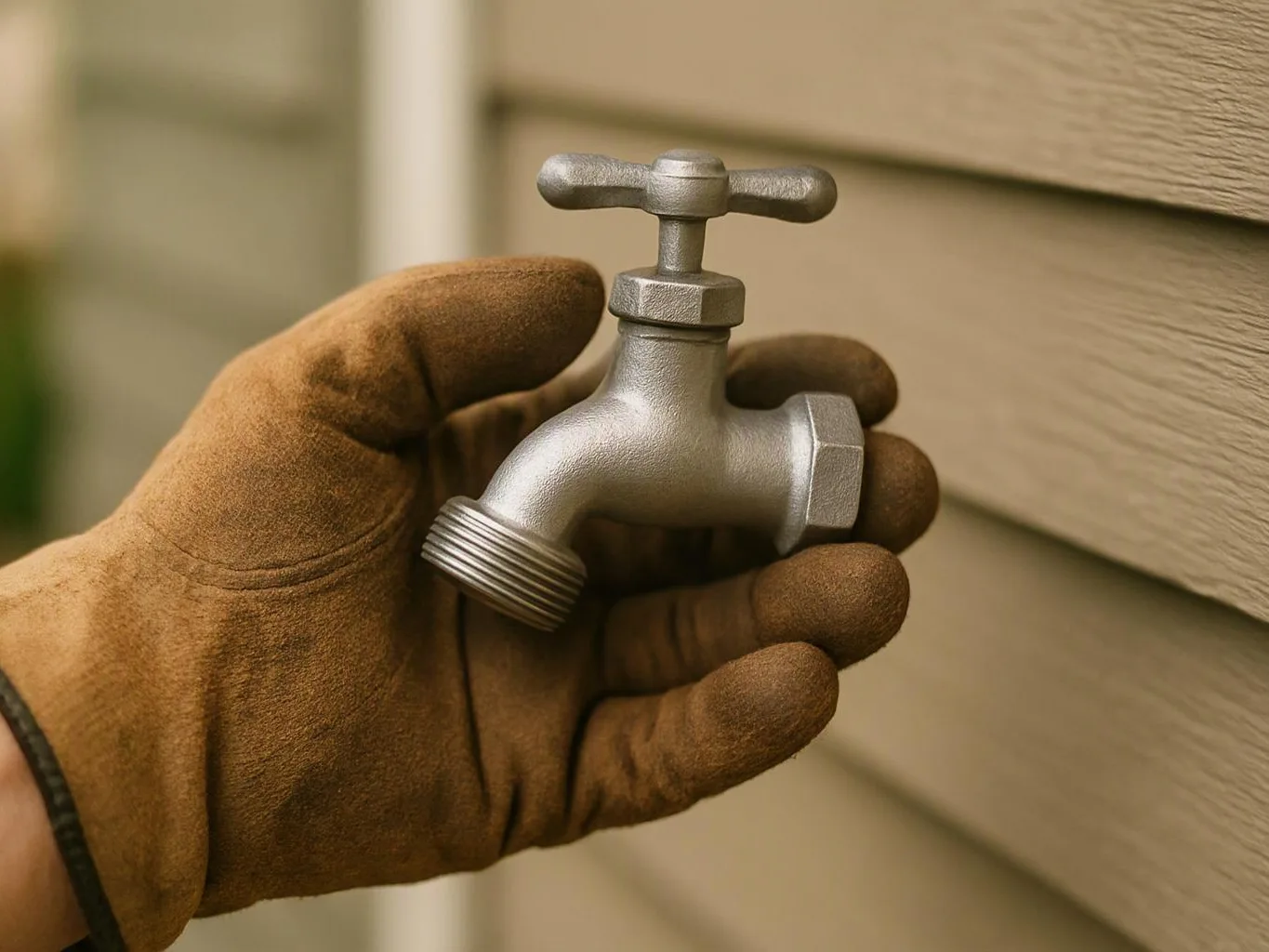
Outdoor faucets and hose bibs need protection because trapped water can freeze inside connected lines. Disconnect garden hoses, check the faucet for leaks, and make sure outdoor water lines have suitable pipe insulation.
Do not force a stuck valve or use an open flame to thaw plumbing. If an outdoor faucet continues leaking or the line is hard to access, our team can inspect it safely.
During a Freeze: Reduce the Risk of Frozen Pipes
Frozen pipe prevention focuses on keeping indoor water lines warm and maintaining safe water movement. These steps can reduce pressure buildup, but they can't correct damaged plumbing.
What to Check Before Leaving Home in Winter
Before leaving home, check heat, exposed plumbing, outdoor faucets, and the main water shutoff so a freeze causes less damage.
Confirm that home heating serves rooms with water lines. Look for leaks, damaged pipe insulation, and signs of freezing near crawl spaces, basements, and garage plumbing.
Know how to shut off the water if a pipe leaks while the home is vacant. Seasonal wet weather can also raise water-intrusion concerns, so check areas near sump equipment and low drainage points.
Warning Signs That a Pipe May Freeze or Burst
Burst pipe warning signs can appear before a major leak develops. Treat a sudden flow change as a reason to inspect the plumbing promptly.
Stop using affected fixtures when you see these signs. If water is leaking, shut off the water and contact our team for help.
After a Freeze: Check for Damage Safely
After a freeze, inspect for leaks before normal water use resumes. Water may escape when frozen sections thaw and cracks reopen.
When Frozen Pipe Repair Is Needed
Frozen Pipe Repair is needed when frozen plumbing restricts water flow, leaks, or shows signs of cracking; we inspect the affected line and plan the repair.
Our team checks the water shutoff, identifies the frozen section, and looks for damage that may appear as the pipe thaws. We use safe methods and avoid unsafe heat sources that can damage pipes or create fire risks.
Cracked or actively leaking plumbing may need Burst Pipe Repair. You can learn more through our Frozen Pipe Repair service page.
How We Assess Cold-Weather Pipe Damage
Our team assesses pipe location, material, freeze damage, and active leaks before we define the repair scope. We also confirm the water shutoff and the safest way to reach the affected line.
| Assessment area | What we check | Why it matters |
|---|---|---|
| Pipe location | Access through walls, cabinets, crawl spaces, or garages | Access affects the repair approach |
| Pipe material | The type and condition of the pipe | Material helps determine suitable repair materials |
| Freeze damage | Cracks, bulges, restricted flow, and weak points | Damage can extend beyond the visible area |
| Active leak | Water release and nearby water damage | The water shutoff may need immediate use |
| Repair scope | The affected section and required access | Scope supports a clear quote |
We also consider applicable plumbing requirements and inspection needs for the planned work. Our team explains the repair scope before work begins.
How to Request a Quote for Freeze Damage
The cost of freeze damage depends on the pipe location, access, damage extent, and repair materials, so we review those details before preparing a quote.
Tell our team where water flow changed, whether you see a leak, and whether you shut off the water. Photos can help us understand pipe access and nearby water damage before the assessment.
Our quote can address Frozen Pipe Repair or Burst Pipe Repair based on the confirmed condition. To request an assessment, use our contact page.
Questions About Winter Pipe Preparation
Can pipes burst during a freeze even when the heat is on?
Yes, pipes can burst during a freeze even when the heat is on if exposed sections remain poorly protected.
What should I do if no water comes from a faucet after a freeze?
water flow after a freeze means you should stop forcing the faucet and check nearby plumbing for leaks.
Should I shut off the water before leaving my Maple Valley home in winter?
Yes, shutting off the water can limit damage during a leak, but you should first confirm that the home heating and plumbing setup support that plan.
How can I tell whether a frozen pipe has already burst?
A frozen pipe may have burst if thawing brings leaks, damp surfaces, bulging sections, or unexpected meter movement.