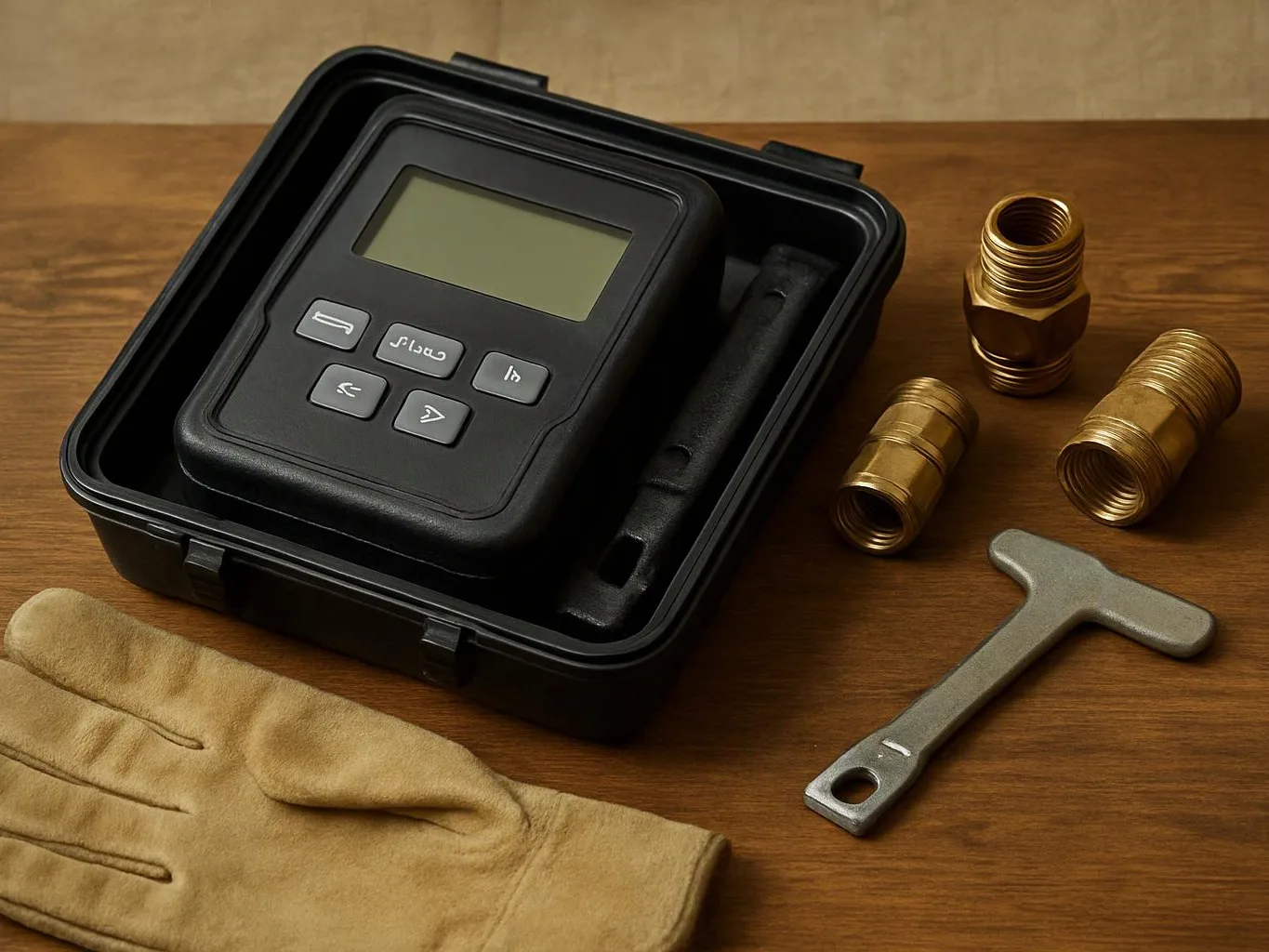
Backflow Prevention in Washington: Testing and Homeowner Responsibilities
Backflow preventer testing in Washington checks whether an assembly protects the drinking water supply and works as intended. At PlumbingMaplevalley.info, we explain testing, repairs, installation questions, and homeowner responsibilities.
Request an EstimateWhat Does a Backflow Preventer Do?
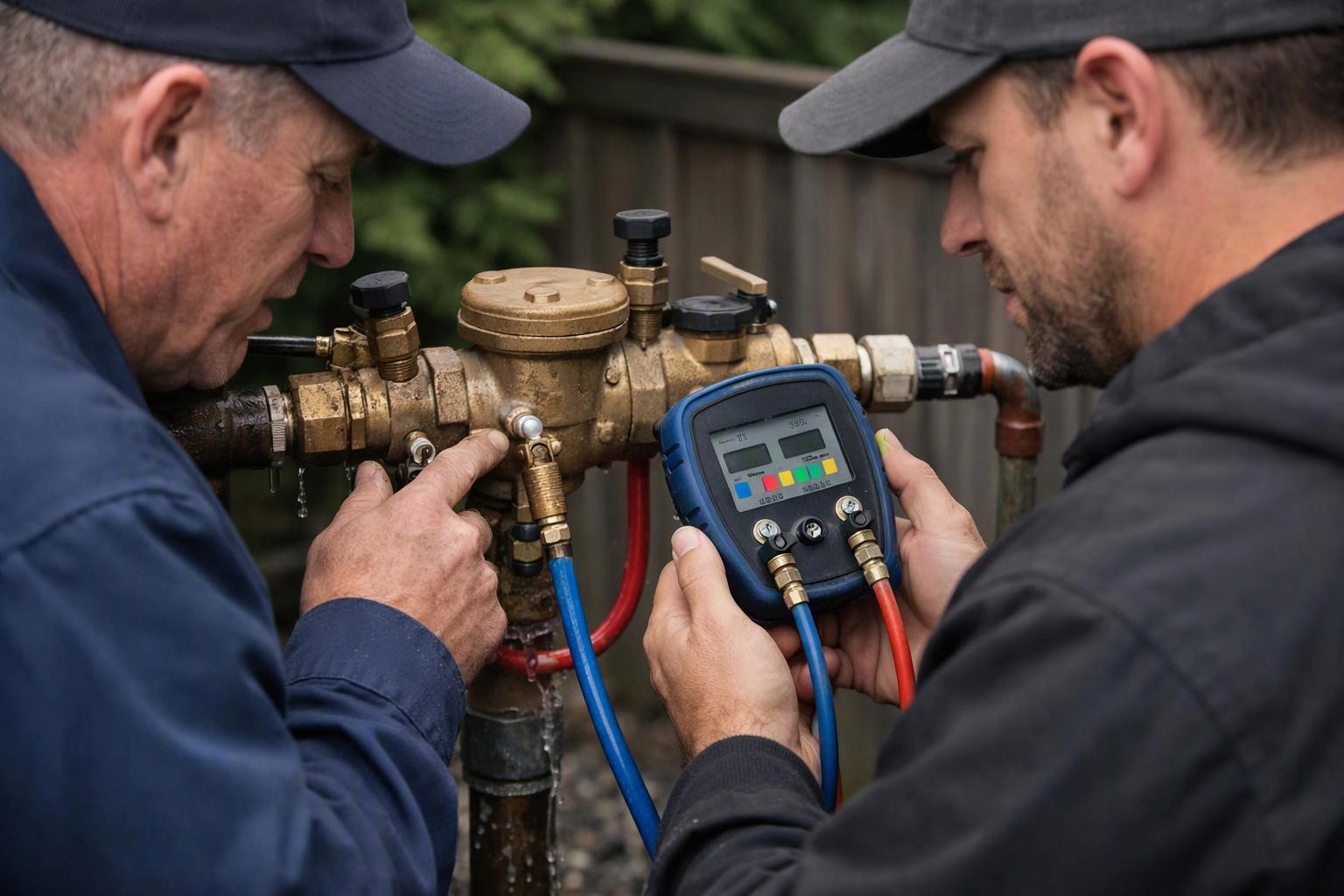
A backflow preventer is a plumbing safety device that helps stop water from moving backward into the drinking water supply.
Backflow can occur when pressure changes reverse normal water flow. A cross-connection can then allow contaminated water to enter clean plumbing.
Common devices include reduced pressure principle assemblies, double check valve assemblies, pressure vacuum breakers, and hose bibb vacuum breakers. Each device uses parts such as check valves, shutoff valves, test cocks, and a body to control flow.
When Might a Home Need a Backflow Preventer?
A home might need a backflow preventer when plumbing equipment or an outside water source could reverse the flow into the drinking water system.
A residential plumbing system may have cross-connection risks around irrigation equipment, fire sprinkler systems, boilers, or private wells. A hose connection can also create a risk when it sits near contaminated water or chemicals.
The correct device depends on the hazard and the local water authority's requirements. We review the connection and surrounding equipment before recommending an assembly.
How Does Backflow Preventer Testing Work in Washington?
Backflow preventer testing checks the assembly's internal parts and records whether the device protects the water system.
Our team uses the applicable reporting process and checks the assembly without giving homeowners unsafe repair instructions. The test report shows the device condition and the required next step.
How Often Should a Backflow Assembly Be Tested?
Washington testing frequency depends on the water authority, assembly type, property risk, and local requirements.
The water purveyor or local water authority may send a test notice with its own schedule and reporting rules. Homeowners should follow that notice and keep the test report with other property records.
Testing may also be needed after installation, repair, relocation, or a change in the connected equipment. We verify the applicable schedule before testing so the report reaches the correct authority.
Who Can Test a Backflow Preventer?
A backflow preventer should be tested by a certified backflow tester who meets the applicable water authority's certification and reporting requirements.
Certification rules can differ between water purveyors. A plumbing company may perform the work when its tester meets the authority's requirements and submits an acceptable test report.
We confirm the reporting requirements before testing. That helps prevent rejected paperwork and repeat visits caused by missing information.
What Happens When a Backflow Test Fails?
A failed backflow test means the assembly needs repair or replacement before it can be accepted as protective.
Our team checks the check valve, relief valve, shutoff valves, and other serviceable parts. We explain whether backflow preventer repair is practical or whether a replacement assembly better fits the equipment.
Water service may be affected while the assembly is isolated for safe work. After repair or replacement, we perform a retest and provide updated documentation for the water authority.
Does Backflow Assembly Installation Require a Permit?
Backflow assembly installation may require approval, a plumbing permit, or inspection, depending on the local authority and project conditions.
The authority having jurisdiction may include the local building department, the water purveyor, or both. Approval can depend on the assembly type, installation location, connected system, and inspection rules.
| Approval question | Who may decide | What the homeowner should confirm |
|---|---|---|
| Is a plumbing permit needed? | Local building department or authority having jurisdiction | Permit rules for the specific installation |
| Does the water supplier need approval? | Water purveyor or local water authority | Approved assembly and reporting requirements |
| Is an inspection required? | Authority having jurisdiction | Inspection timing and documents needed |
We review permit and inspection needs before installation. Our team also coordinates the test documentation required by the water authority.
What Should Homeowners Check Before Scheduling Testing?
Homeowners should gather the assembly details and make sure the device can be reached safely.
These checks help us prepare for the visit and match the report to the correct property equipment.
Do not remove covers or adjust valves to prepare the device. A leaking or damaged assembly needs professional attention.
How We Handle Backflow Testing and Repairs
We provide Backflow Testing, documentation, and backflow preventer repair based on the assembly and water authority requirements.
Our team reviews the device, performs the required test, and explains the result in clear terms. When repair is needed, we identify the failed parts and discuss a suitable repair or replacement assembly.
We also review test documentation for completeness. When installation or replacement approval applies, we account for the permit and inspection process before the work begins.
What Changes the Cost of Backflow Testing or Repair?
The cost depends on the assembly type, access, test results, repair parts, replacement needs, and local approval requirements; we review those details before preparing a quote.
An accessible assembly that passes testing has different needs from a damaged device in a difficult location. Repair parts, replacement requirements, permit needs, and inspection requirements can also change the work involved.
We review the assembly location, manufacturer information, prior test report, and water authority notice. Then we explain what the quote includes before work proceeds.
Use our contact form to request an exact quote for your backflow testing or repair needs.
Questions About Washington Backflow Responsibilities
What should a homeowner do if a backflow preventer leaks?
A leaking backflow preventer should be isolated only when safe and inspected by our team. Avoid adjusting internal parts, and arrange backflow preventer repair so the water protection device can be tested again.
Can an old backflow preventer be repaired, or does it need replacement?
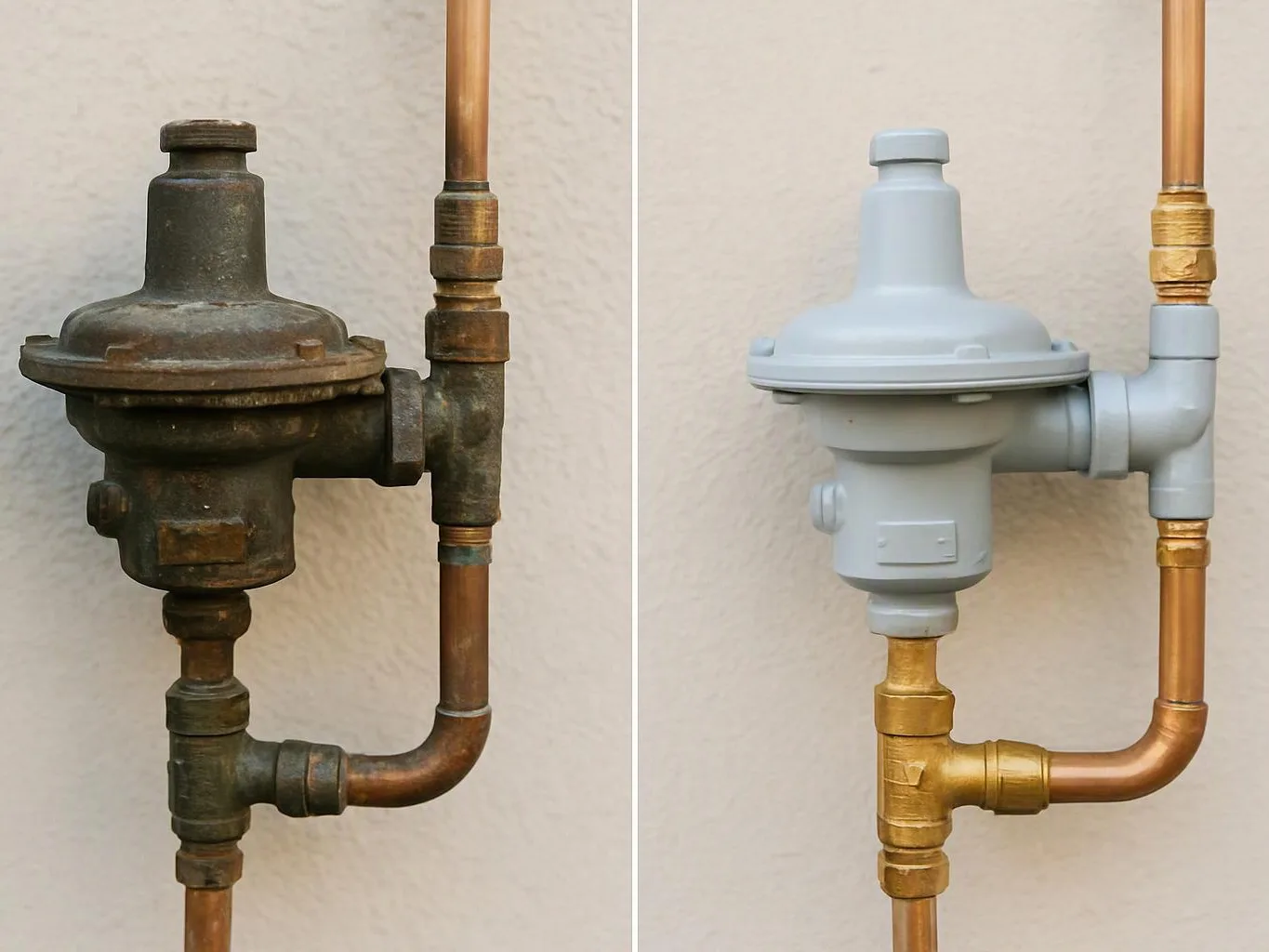
An old backflow preventer may be repairable when suitable parts are available and the assembly remains acceptable for the connected hazard. Our team checks its condition, repair options, approval requirements, and retest result before recommending repair or replacement.
What information should be included on a backflow test report?
A backflow test report should identify the property, assembly, tester, test results, pressure readings, and final pass or fail status. The report should also meet the water authority's submission and certification requirements.