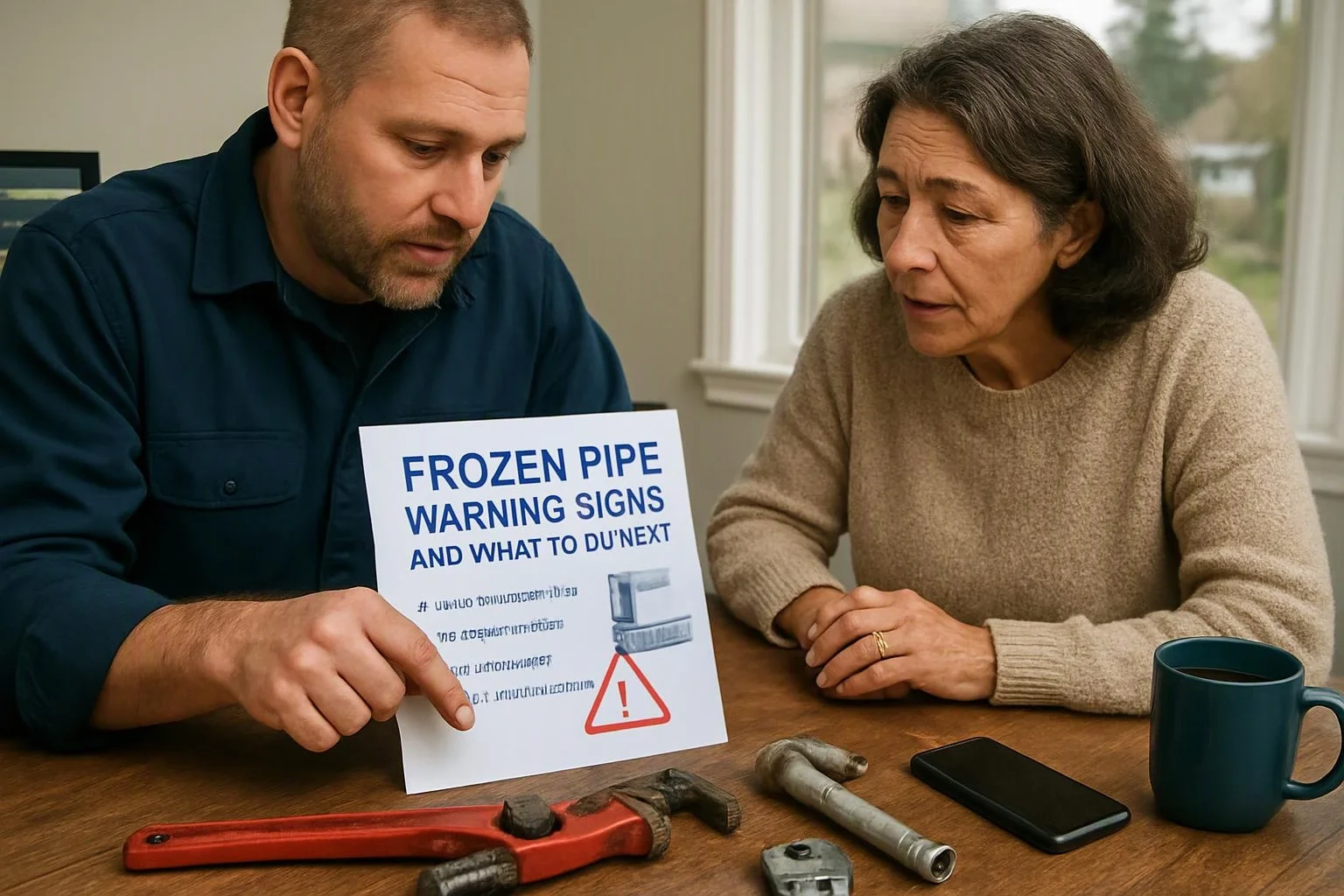
Frozen Pipe Warning Signs and What to Do Next
Signs of frozen pipes include little or no water, frost on exposed lines, strange pipe noises, and damp spots. At PlumbingMaplevalley.info, we recommend shutting off water if a pipe may have burst, warming accessible areas safely, and contacting us for frozen pipe repair when the blockage or damage isn't safe to handle.
Request an EstimateHow Can You Tell If a Pipe Is Frozen?
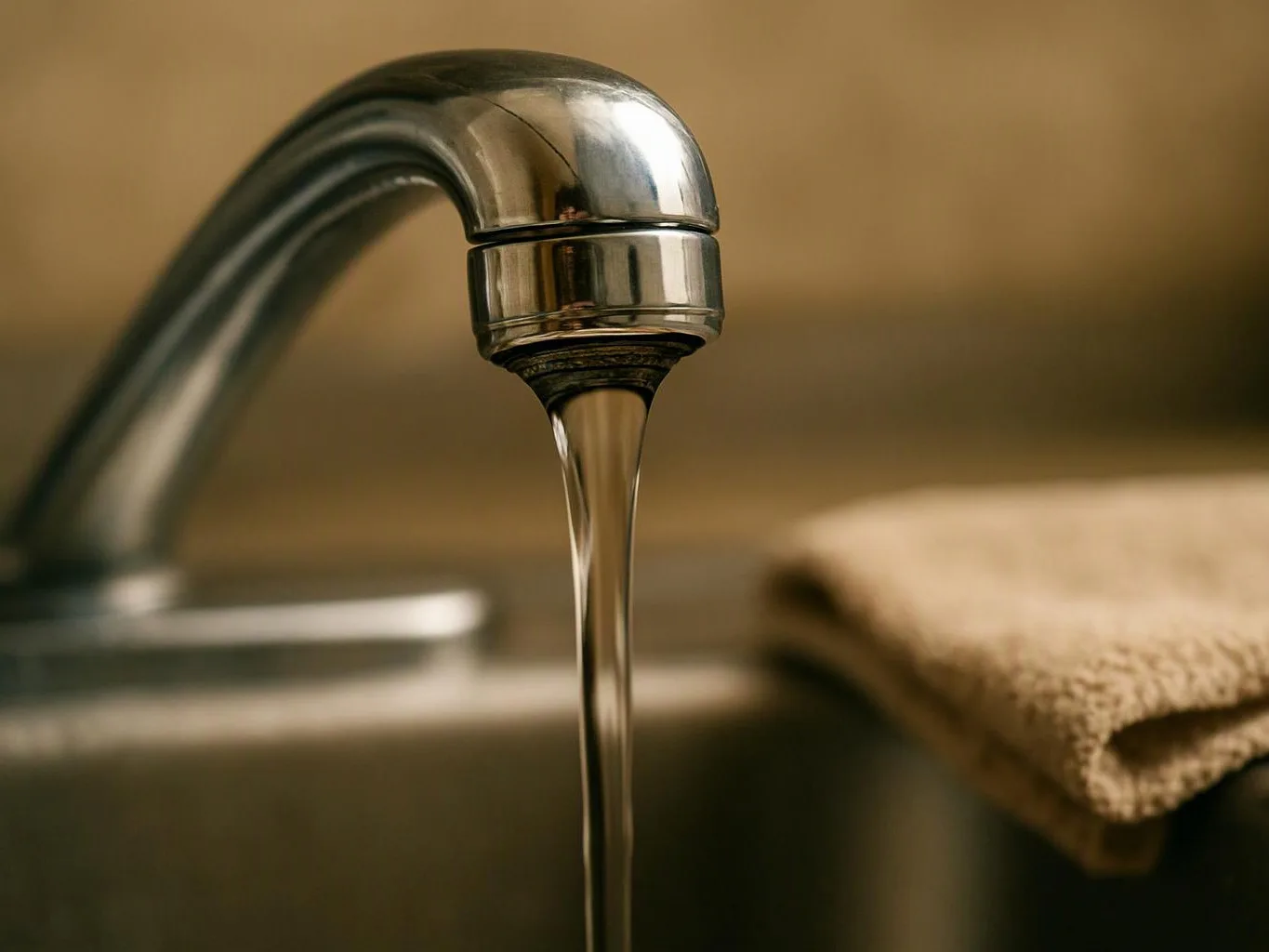
A frozen water pipe often causes little or no water at a faucet, while frost, bulges, or unusual sounds can point to a frozen section. A frozen water line may restrict the water supply without showing visible damage.
Check exposed plumbing near cold walls, crawl spaces, garages, and exterior fixtures. A frozen interior supply line can also sit behind a wall, where a plumbing inspection may be needed to locate it safely.
Signs of Frozen Water Pipes
What Do the Warning Signs Mean?
Frozen pipe warning signs show whether the line has restricted flow, rising pressure, or possible damage. The table connects each sign with the safest next concern.
Water pressure can build between an ice blockage and a closed section of pipe. That pressure raises the burst pipe risk as the frozen area changes.
| Sign | Possible meaning | Safe response |
|---|---|---|
| Little or no water | A frozen pipe may be restricting the water supply. | Keep the faucet ready and check for leaks. |
| Frost or a pipe bulge | Ice or pressure may be inside the pipe. | Avoid force and prepare to shut off the water. |
| Damp wall or ceiling | A pipe leak may be hidden in the wall cavity. | Stop the water if safe and request an inspection. |
| Water continues after thawing | The pipe may have cracked or burst. | Close the shutoff valve and treat it as urgent. |
What Should You Do Before Thawing a Frozen Pipe?
Before thawing a frozen pipe, protect the building, locate the main water shutoff, and check for electrical danger. These steps limit water damage if the pipe has already cracked.
Do not use an open flame or handle wet electrical equipment. Stop and contact our team if the pipe is hidden, damaged, or unsafe to reach.
How We Check a Suspected Frozen Pipe
We locate the frozen pipe by tracing the water supply line from the affected faucet toward the shutoff and accessible plumbing. Our team checks exposed sections, insulation, wall areas, and crawl-space routes.
We also look for pressure damage and signs of a hidden leak. Our plumbing inspection helps us decide whether safe thawing, leak detection, or pipe replacement is needed.
When you need help with a frozen water line, our Frozen Pipe Repair service focuses on the blockage and any related damage.
What Should You Do While the Pipe Thaws?
During pipe thawing, use only safe heat, keep the faucet open, and watch for leaks as water pressure changes. Stop the process if water appears or the pipe begins to split.
Heat must reach the frozen section without touching combustible materials. Our team should handle hidden lines, damaged pipes, and conditions involving electrical hazards.
When Is a Frozen Pipe an Emergency?
A frozen pipe is an emergency when water is leaking, flooding is spreading, the pipe has split, or the shutoff cannot stop the flow. Emergency plumbing protects the building when water threatens walls, floors, or electrical systems.
Shut off the water only when you can reach the valve safely. Leave the area and contact our team if water is near wiring or you cannot control the leak.
Red Flags That Need Immediate Attention
What Happens After a Frozen Pipe Thaws?
After a frozen pipe thaws, the line needs inspection for cracks, leaks, pressure damage, and missing insulation. A pipe can look intact while leaking inside a wall or crawl space.
Our team checks the water supply, tests accessible connections, and explains the repair needed. We also identify ways to limit future cold-weather plumbing damage.
How Can You Reduce the Risk of Frozen Pipes?
Pipe insulation, reduced cold air, and steady indoor warmth help lower the risk of frozen plumbing. Focus on crawl spaces, exterior walls, garages, and other areas exposed to freezing weather.
Keep cabinet doors open when plumbing sits against a cold exterior wall, and protect exposed supply lines with suitable insulation. Check outdoor faucet lines before freezing weather arrives, because they can send cold into connected interior plumbing.
Our team can review vulnerable pipe routes during a plumbing inspection and explain practical protection options. A pre-winter check also helps identify weak fittings, gaps, and missing insulation before cold weather creates a blockage.
Questions About Frozen Pipe Warning Signs
Can a faucet still work when a pipe is frozen?
Yes, a faucet can still work when part of its supply line is frozen. Reduced flow usually means the blockage is partial or affects another branch of the plumbing.
Can a frozen pipe thaw without bursting?
Yes, a frozen pipe can thaw without bursting, but the risk remains while pressure is trapped. Keep the faucet open and watch closely for leaks as water returns.
Should you turn off the water when a pipe freezes?
Yes, shut off the water when a pipe may have cracked, leaks during thawing, or cannot be monitored safely. Keep the water on only when the accessible line appears intact and you can watch it closely.
Where do frozen pipes usually form?
Frozen pipes usually form in exposed plumbing near exterior walls, crawl spaces, garages, and outdoor faucet lines. Pipes behind cabinets or inside wall cavities can freeze when cold air reaches the supply line.
Contact our team when a frozen pipe is hidden, leaking, or unsafe to thaw.