What should I do first when a pipe bursts?
Electrical safety comes first when water reaches outlets, appliances, or panels. Avoid wet electrical areas and shut off the water only if the valve is safe to reach. Move items away from the flow, then request plumbing help for containment and assessment. Don't use electrical equipment in standing water.
How does a plumber decide whether the pipe needs a spot repair?
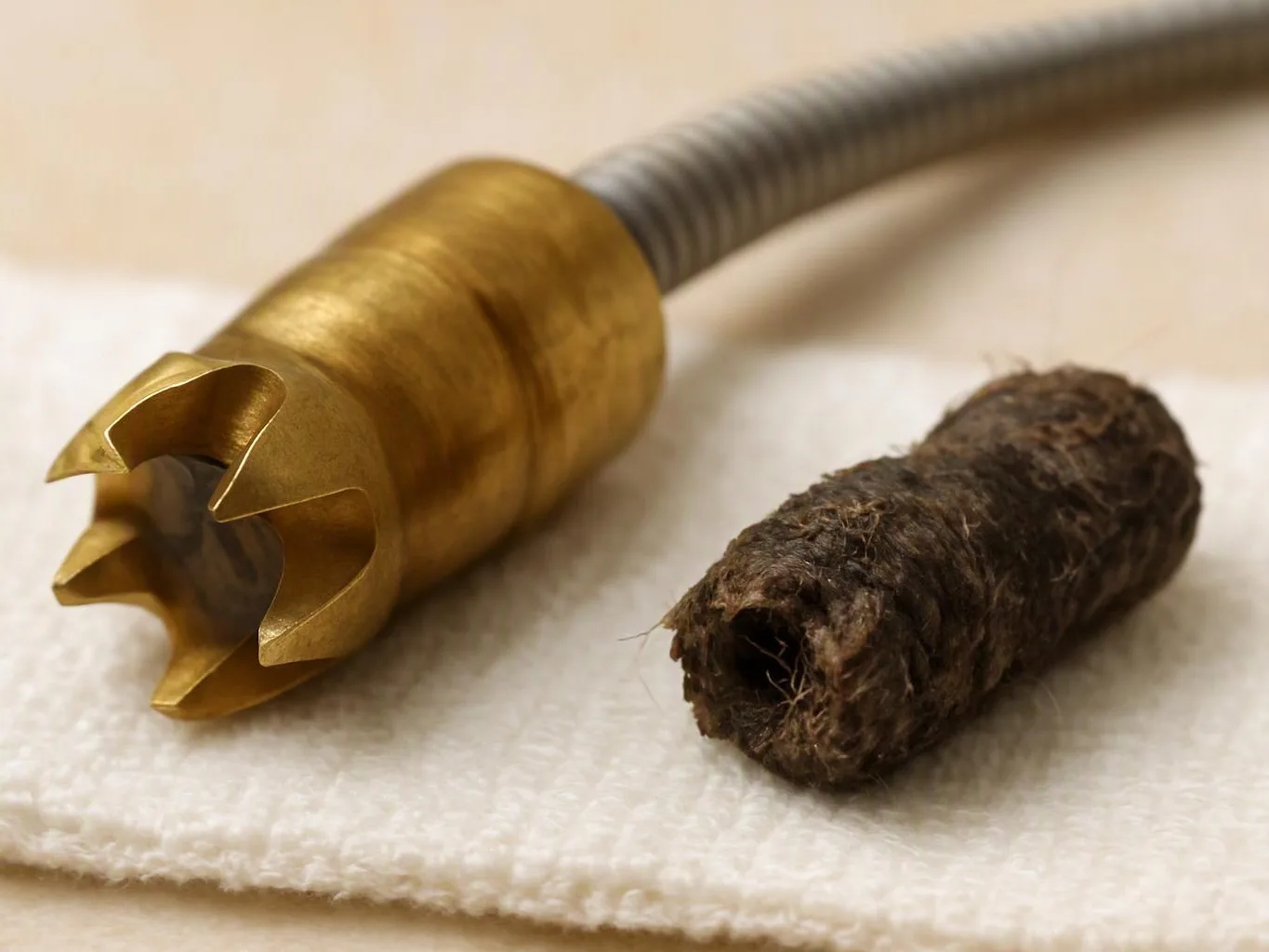
The damaged section, pipe material, and access decide whether a spot repair fits. Exposed pipe and a clear single failure may allow focused replacement. Hidden, split, or widely damaged piping can require broader access and repair planning. Customers should ask which section failed and what remains exposed after access.
Which part of the property changes the repair scope for Burst Pipe Repair?
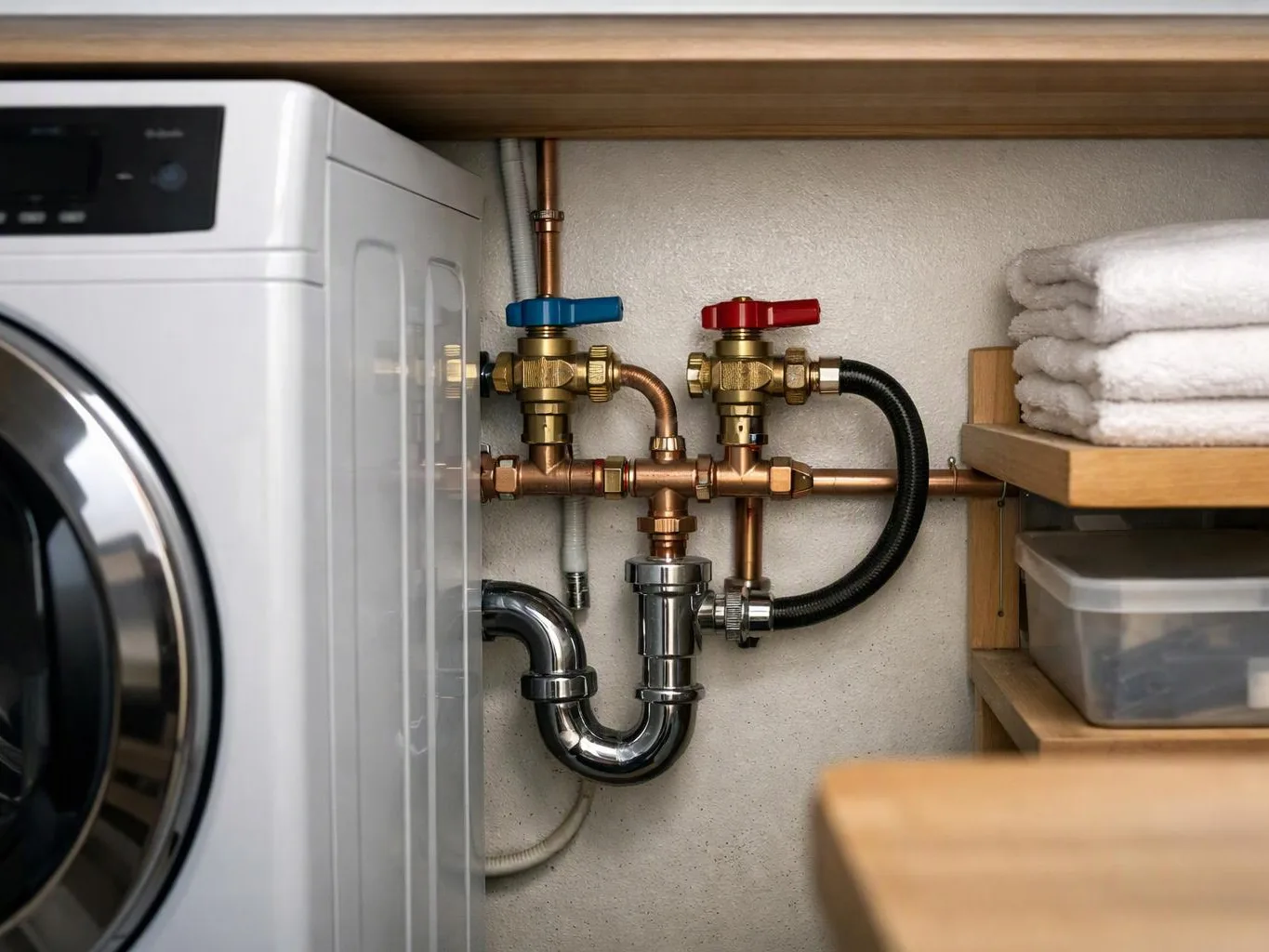
The pipe location changes the repair scope most directly. A line beneath a cabinet, wall, ceiling, or floor needs different access from an exposed utility area. The shutoff point and nearby fixtures also matter. A clear photo of the water path helps the plumbing team prepare for the assessment.
When should water removal be part of the estimate?
Water removal belongs in the estimate when standing water or soaked materials extend beyond the failed pipe. Cabinets, flooring, ceilings, and stored items may need separate attention from the plumbing repair. Customers should ask where the water traveled and which cleanup or restoration tasks are included.
Why might a shutoff valve fail to stop the leak?
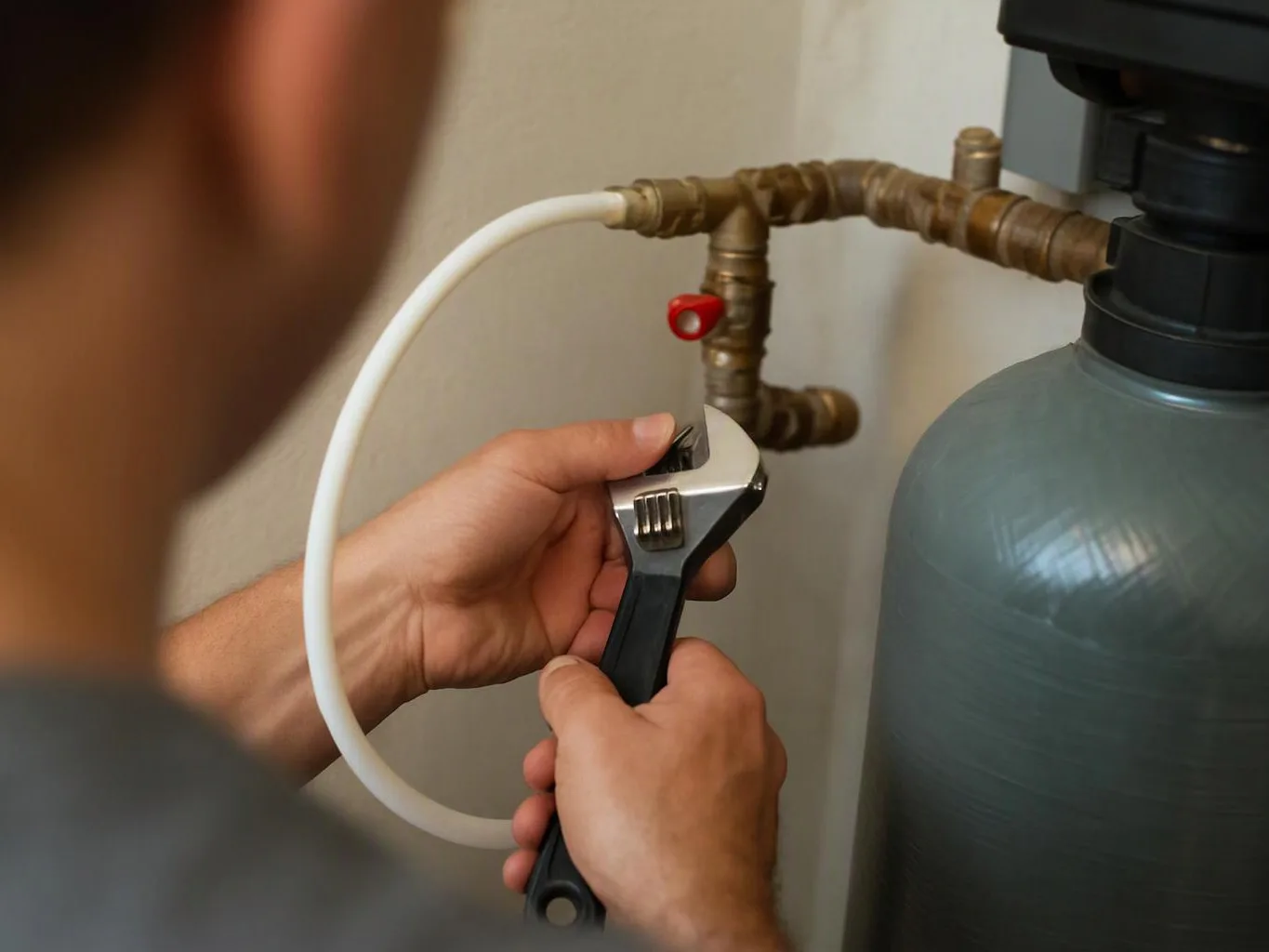
A shutoff valve may not control the damaged branch, or corrosion may keep it from closing fully. The plumbing system may also need a main supply shutoff. Customers should avoid forcing a stuck valve and should report its location, movement, and the continuing water flow during the assessment.
Who provides burst pipe repair for homes and businesses?
PlumbingMaplevalley.info provides burst pipe repair for homes and businesses. We assess active water loss, shutoff access, pipe condition, and containment needs before explaining the estimate. Customers can share the affected room, visible pipe location, and any nearby electrical concern so the first assessment starts with useful facts.
What information should I share when requesting an estimate?
The leak location, shutoff status, pipe visibility, and affected areas help shape an estimate. Photos can show the failed fitting, wet ceiling, cabinet, or exposed line. Include whether water is still flowing and whether outlets, appliances, or panels are nearby. Those details help separate urgent containment from later restoration work.