Which materials are commonly used for leak repairs?
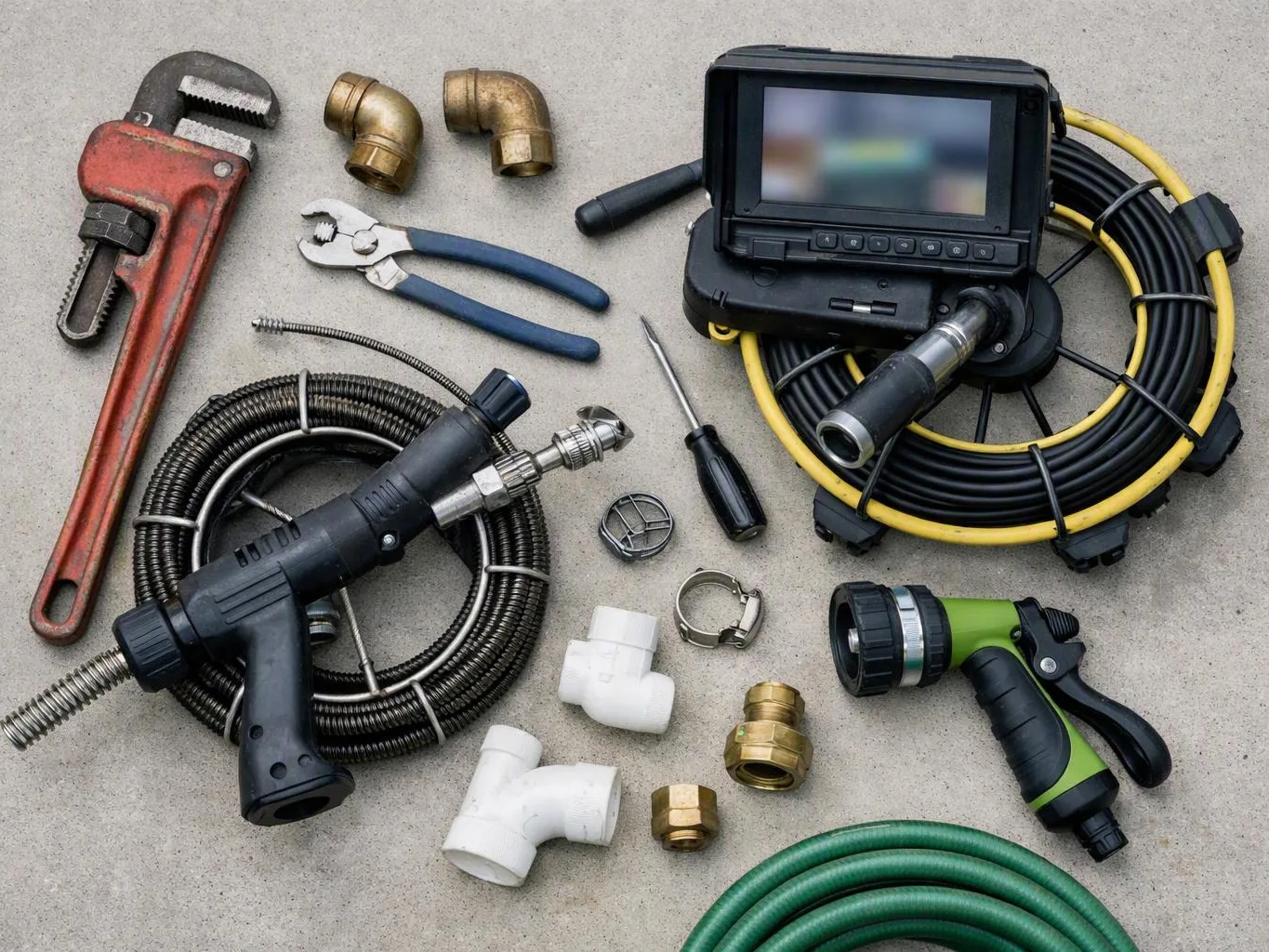
Compression rings, pipe fittings, thread sealant, and repair tape are common leak repair materials. The correct material depends on the connection type, pipe condition, and available access. Threaded joints may need sealant or tape, while a compression connection may need a new ring. Damaged fittings may require replacement instead of resealing.
What does a plumber inspect first at a leaking connection?
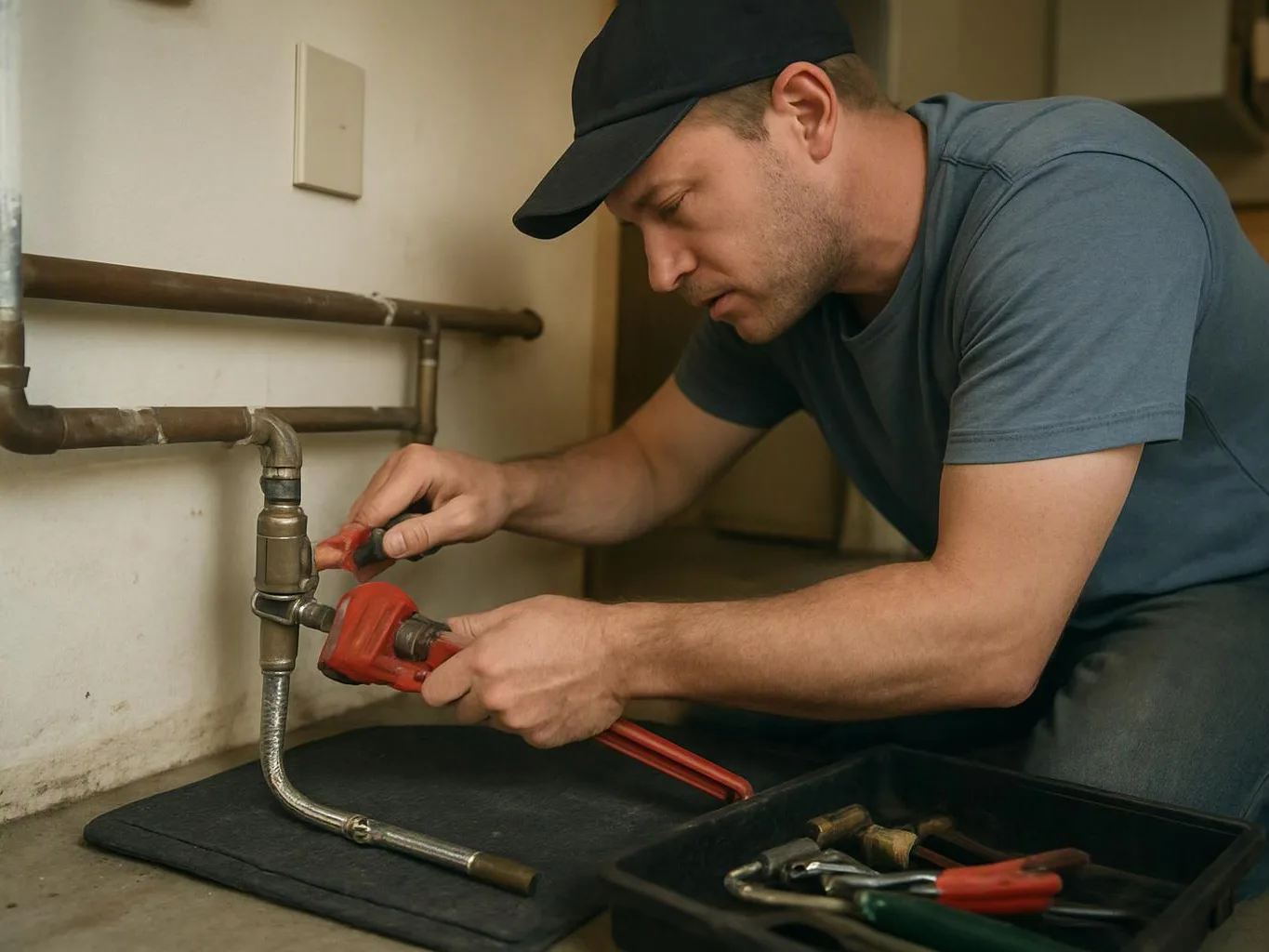
The first check identifies the active leak source and the condition of the nearby connection. A plumber looks at the fitting, valve, pipe surface, threads, and signs of movement. Water can travel along a pipe, so the wettest spot is not always the failed joint. The inspection also considers access before repair work begins.
When is a spot repair the right choice?
A spot repair suits a localized leak when the surrounding pipe and connection remain sound. The plumber checks the fitting, seal, pipe material, and access before recommending it. A wider repair may fit when corrosion, movement, or damage extends beyond one joint. The estimate should identify which condition drives the scope.
How should I prepare for a leak assessment?
Clear access to the leaking fixture, cabinet, wall area, or water heater before the assessment. Keep towels nearby and avoid covering the wet area with sealants that hide the source. Photos can help explain where water first appeared. If safe, note which fixture was running when the leak started.
Why can a leak return after a fitting is tightened?
A leak can return when the fitting, seal, threads, pipe alignment, or nearby material is damaged. Tightening alone may not correct a worn sealing surface. The connection needs a full check before the part is resealed or replaced. Water pressure and movement around the joint can also affect the repair choice.
Which plumbing issues need a different service?
A blocked drain, failed water heater, sewer concern, or gas issue may need a different plumbing service. Water leak repair fits unwanted water escaping from a pipe, fitting, valve, or fixture connection. We review the symptoms and direct the work toward drain cleaning, water heater service, sewer work, or another suitable plumbing need when required.