Which materials are used for whole-house repiping?
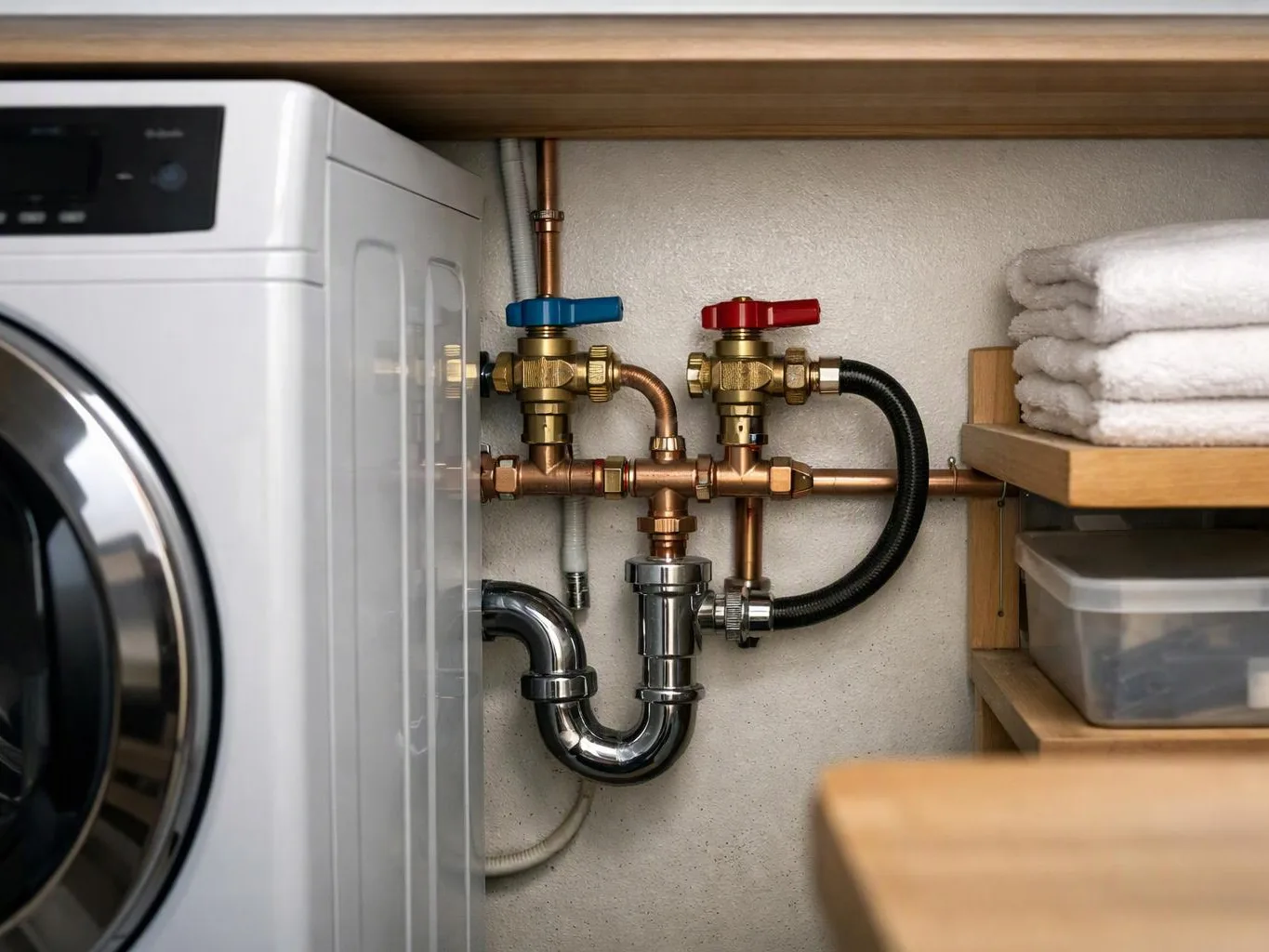
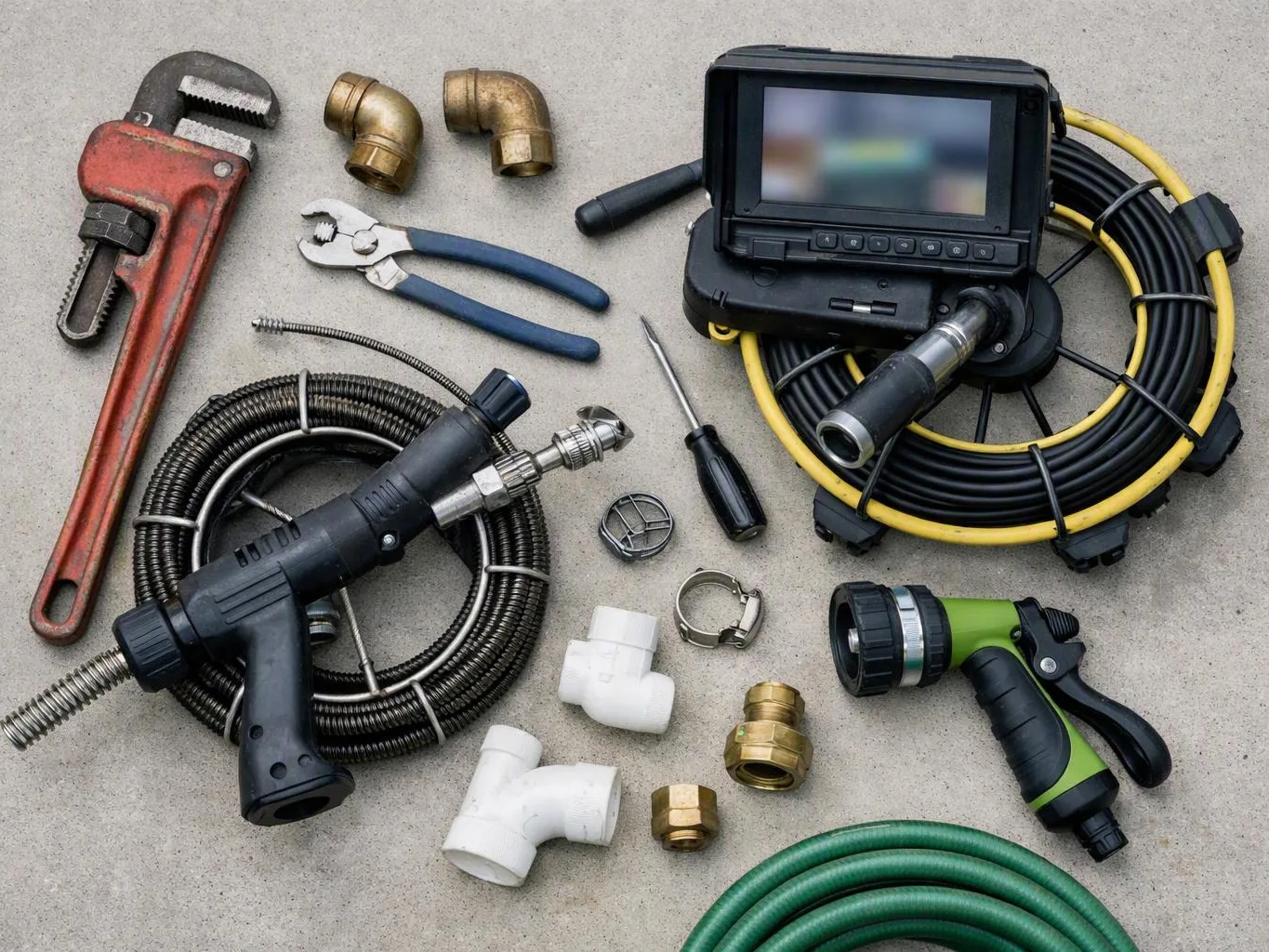
PEX tubing is the lead material we discuss for many planned whole-house repiping projects. Copper piping and CPVC piping may also fit the layout and connection needs. Brass fittings support selected transitions and threaded connections. The proposed material depends on access, fixture connections, and the existing water line arrangement.
What should I confirm before approving a full pipe replacement?
The written scope should identify the water lines, fixtures, materials, access areas, and estimate. Ask which connections are included and how the work will be checked after installation. Our experienced plumbing service technicians explain those points before work begins, so you can compare the proposed replacement with isolated repairs.
How should I prepare the property before repiping starts?
Clear access to fixtures, cabinets, utility areas, and visible shutoffs before the assessment. Customers should also list leaks, pressure changes, and discolored water by room. That information helps the plumber trace the affected supply lines and discuss the access needed for the planned work.
When is a spot repair a better fit than repiping?
A spot repair fits a single failed connection when the rest of the water supply system remains sound. Whole-house repiping suits wider line wear, repeated leaks, or symptoms across several fixtures. The decision comes from the condition and spread of the problem, not from one leak alone.
Why can low pressure continue after one pipe repair?
Low pressure can continue when another restricted, worn, or failing supply line remains in the system. A single repair fixes one point, but it doesn't address separate lines feeding other fixtures. We review the affected outlets and water line layout before recommending a broader replacement.
What changes the estimate for a full repiping job?
The estimate changes with the number of lines, fixture connections, material choice, access, and property layout. Cabinets, walls, floors, and confined utility areas can affect the work scope. Customers receive an upfront estimate after we review the proposed route and included connections.
Can a homeowner replace all the water lines without a plumber?
Whole-house repiping requires careful water line planning, material connections, shutoff work, and final checks, so homeowners should use a qualified plumbing service. Mistakes can affect several fixtures and create hidden leaks. We assess the layout, explain the planned work, and provide a clear estimate before installation.