Signs Hard Water May Be Affecting Your Home
Signs of hard water include mineral spots, scale on fixtures, soap that lathers poorly, dry-feeling skin, and plumbing flow problems. At PlumbingMaplevalley.info, we explain how to check these signs and when water softening equipment may help.
Request an EstimateWhat Are the Signs of Hard Water in a Home?
Hard water commonly causes mineral spots, white scale, soap residue, dry-feeling skin, and reduced water flow. These signs can appear in cleaning areas, plumbing fixtures, and water-using appliances.
Why Hard Water Leaves Spots and Scale on Fixtures
Hard water leaves spots and scale because dissolved minerals remain after water dries on surfaces. Calcium and magnesium are the main minerals behind this residue.
Faucets, showerheads, and glass doors collect mineral deposits when water repeatedly evaporates. The remaining calcium scale and magnesium deposits can become firm and difficult to remove.
Mineral scale can also hide inside faucet aerators and showerhead openings. Regular cleaning may remove surface residue, but recurring buildup points to a water quality issue.
Can Hard Water Clog Plumbing and Appliances?
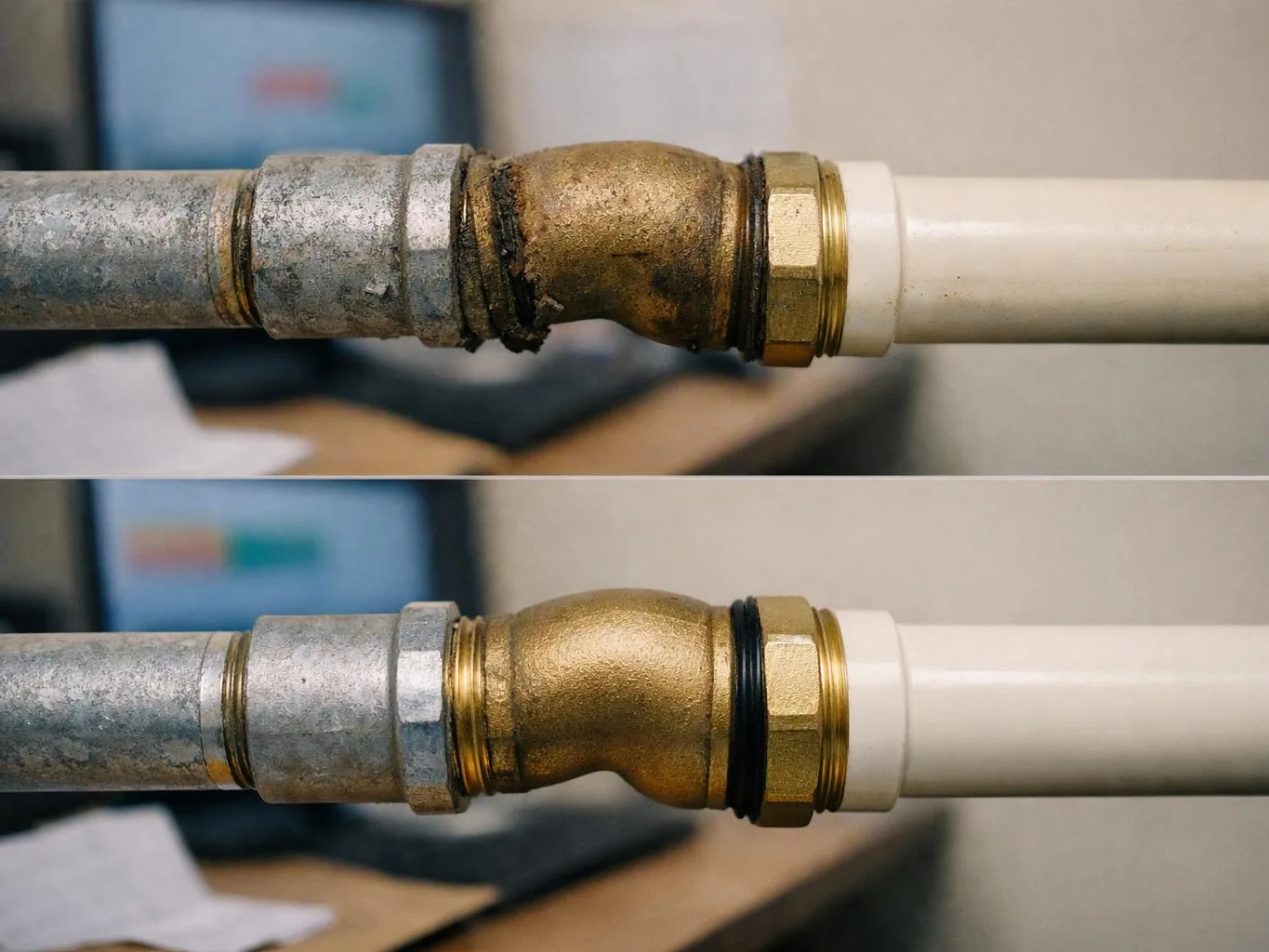
Yes, hard water scale can narrow water passages and reduce the performance of plumbing fixtures and appliances.
Supply pipes can collect scale deposits over time, especially where water flow is already limited. A clogged faucet aerator or showerhead may cause low flow at one fixture while other fixtures work normally.
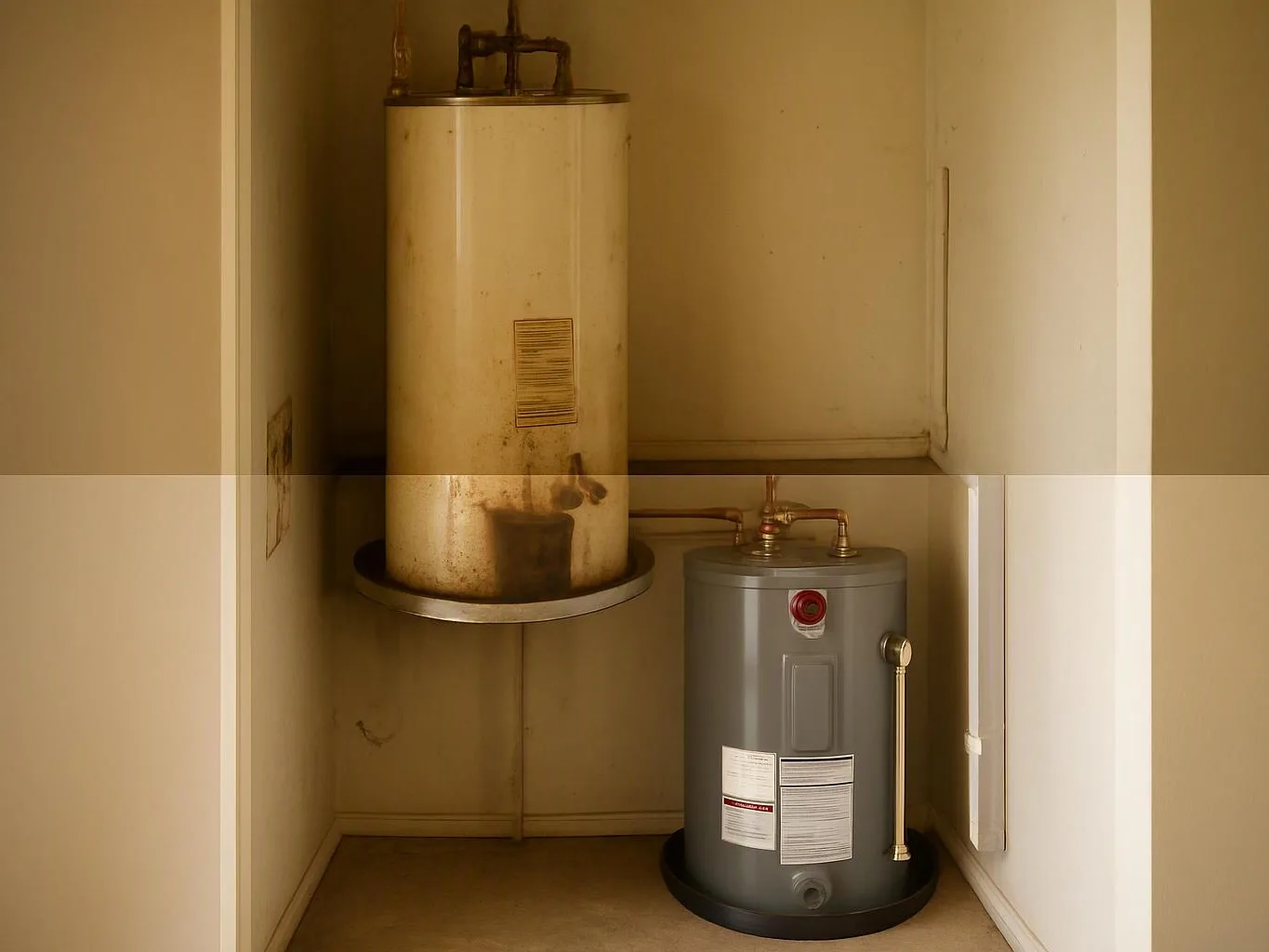
Water heater scale can reduce heat transfer and affect equipment operation. Dishwashers and washing machines may also show appliance wear when mineral buildup affects internal parts or cleaning results.
How to Check Whether Hard Water Is Affecting Your Home
A home check should compare visible scale, water flow, cleaning results, and test information before equipment is selected. Safe observations can help us understand the pattern.
Home checks shouldn't require opening sealed plumbing, changing wiring, or working near gas connections. If a fixture needs internal repair or the water heater needs inspection, we handle that work safely.
DIY Checks vs Calling Us About Hard Water
You can document visible signs safely, while we assess water treatment needs and handle water softener installation. The right choice depends on whether you need simple evidence or a complete equipment decision.
Our assessment considers water hardness, plumbing condition, household use, and installation conditions. We also explain what the requested quote includes before work begins.
| Factor | What you can do yourself | What we do |
|---|---|---|
| Visible signs | Record spots, scale, soap scum, and dry-feeling skin. | Connect the signs to possible mineral buildup and plumbing restrictions. |
| Water hardness testing | Use a home water hardness test and save the result. | Review the test information with household water use and fixture symptoms. |
| Water softener assessment | List affected fixtures and water-using appliances. | Assess water hardness, household demand, plumbing condition, and equipment fit. |
| Water softener installation | Keep access around the proposed equipment area clear. | Plan connections, drainage, placement, and safe installation conditions. |
For more information about our equipment service, see our water softening equipment supplier service page. Plumbing work that changes supply lines or drainage connections should be completed by our licensed team.
When Water Softening Equipment May Be the Right Solution
Water softening equipment may suit a home when repeated mineral buildup affects cleaning, fixtures, plumbing, or appliances. A water softener can address the water hardness that causes these ongoing symptoms.
The decision depends on household water use and the condition of the plumbing. Repeated scale, poor soap lather, reduced flow, and appliance buildup all support a closer assessment.
Equipment must match the home’s water needs and available installation conditions. Our team reviews those factors before recommending a water treatment approach.
What We Check Before Recommending a Water Softener
We check the water symptoms, household needs, installation conditions, and equipment fit before recommending a water softener.
Our water softener assessment starts with the reported signs and any available water hardness test. We review household demand, plumbing condition, and the space available for water treatment equipment.
We also check the drain connection and nearby water lines. These installation conditions help us plan suitable equipment sizing and a safe connection layout.
We explain the recommended approach and the work included in the quote. Our goal is to match the home’s needs with practical water softening equipment from an appropriate supplier.
Questions About Hard Water and Water Softeners
Does hard water make soap and shampoo harder to rinse?
Yes, hard water can make soap and shampoo harder to rinse because calcium and magnesium reduce lather and leave soap scum.
Can hard water cause low water pressure at one fixture?
Yes, hard water can cause low flow at one fixture when scale blocks a faucet aerator, showerhead, or small water passage.
Should visible scale be removed before choosing a water softener?
Visible scale can be documented before choosing a water softener, but removal isn't required for our assessment. We review the buildup, water hardness, and plumbing condition together.