Warning Signs Your Water Heater Needs Attention
Water heater leaks, rusty water, rumbling sounds, weak heating, and temperature changes often signal a repair need. PlumbingMaplevalley.info can inspect the cause and explain whether repair or replacement fits the unit. A water heater shows warning signs that indicate repair, maintenance, or replacement needs.
Request an EstimateWhat Are the Main Signs a Water Heater Needs Repair?
Water heater leaks, unusual sounds, rusty water, weak heating, and changing temperatures are key repair warning signs.
A tank water heater may show several signs as its parts wear. A tankless water heater can also need service when flow, temperature, or heating performance changes.
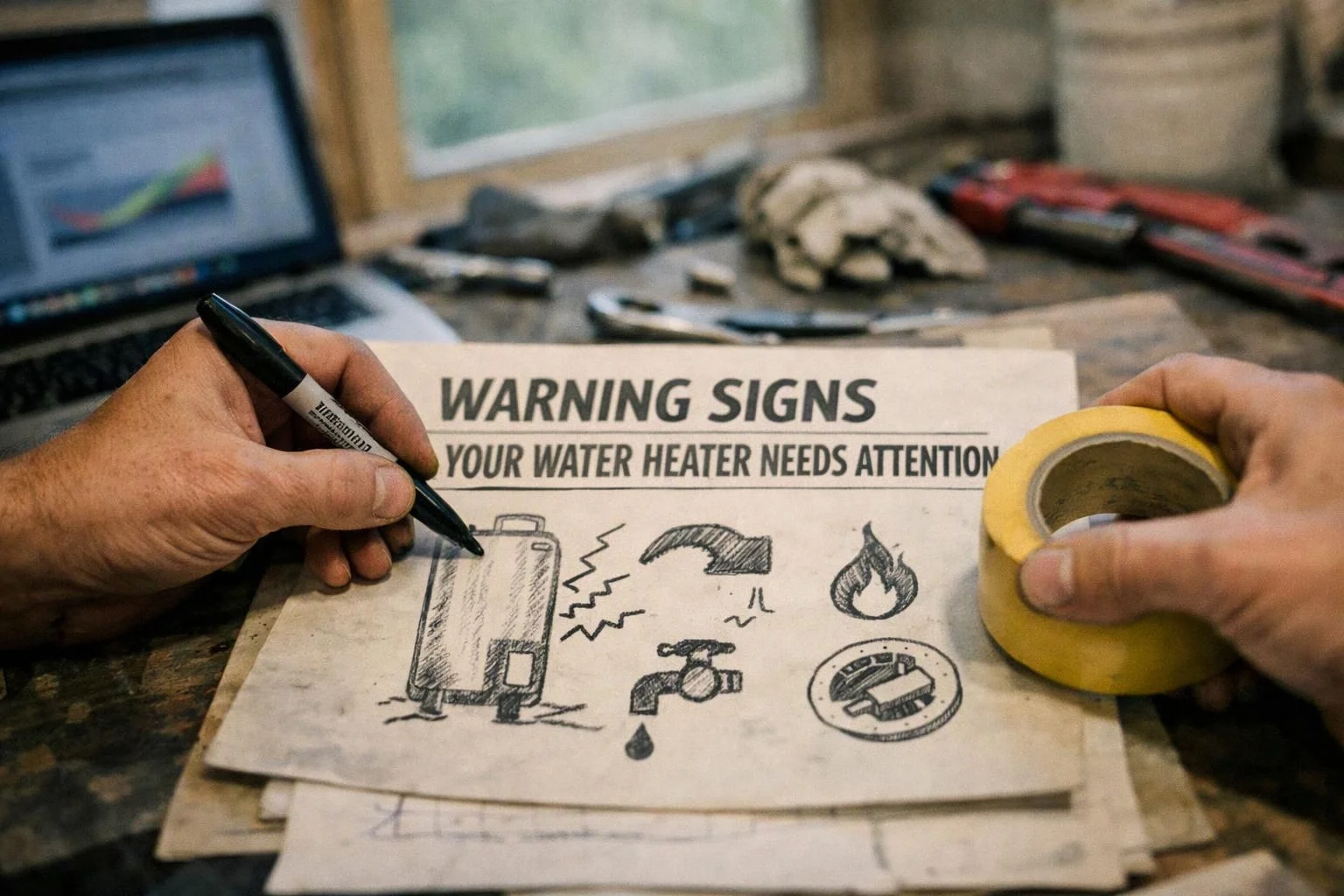
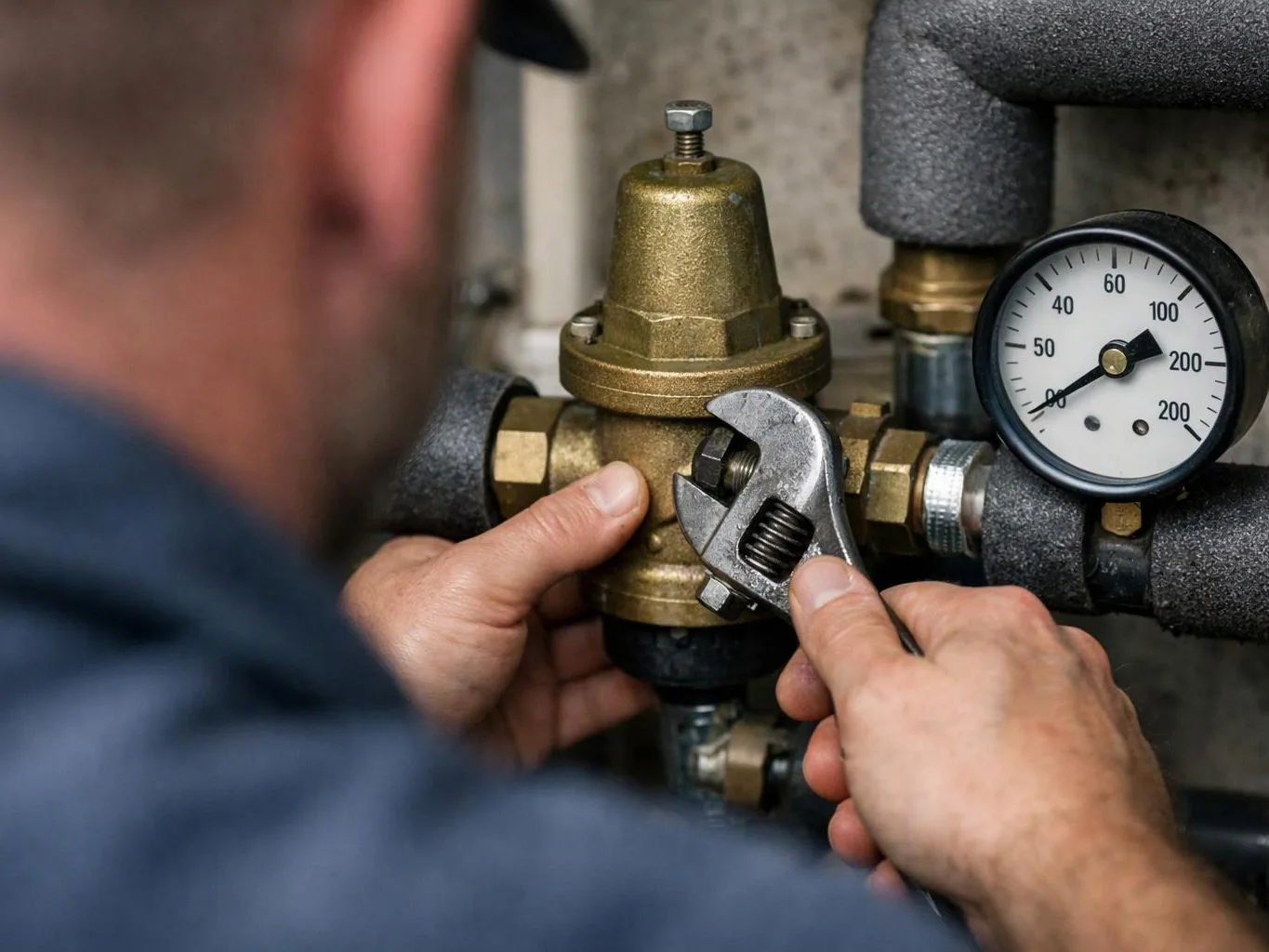
The temperature and pressure relief valve also deserves attention when it drips or releases water. We inspect the valve and nearby connections to separate a serviceable fault from a larger tank problem.
Why Is the Water Heater Making Rumbling or Popping Noises?
Rumbling or popping sounds often come from sediment buildup that makes the tank work harder to heat water.
Minerals can settle at the bottom of a tank water heater. Water trapped under that layer turns to steam and makes popping sounds as it escapes.
A gas burner may struggle to heat through heavy sediment. An electric unit may show similar symptoms when a heating element works around buildup. We check the tank, burner or element, and maintenance history before recommending sediment removal or another repair.
What Causes Rusty Hot Water?
Rusty hot water can point to a worn anode rod, corroded connections, or tank corrosion.
An anode rod helps protect the water heater tank from corrosion. When the rod wears down, the tank and its fittings may corrode more quickly.
Rust that appears only at hot taps may point toward the water heater or hot water outlet. Rust throughout the home can involve other plumbing. We inspect the water heater and connections to identify the likely source.
What Causes Inconsistent or Insufficient Hot Water?
Inconsistent or insufficient hot water can result from thermostat faults, failed heating parts, sediment, or a damaged dip tube.
An electric water heater may have a failed heating element or faulty thermostat. A gas water heater may have a burner or control problem.
Water heater capacity also matters when demand changes. Sediment buildup can reduce usable storage, while a damaged dip tube can mix cold water into the hot outlet. We check these causes before discussing Water Heater Repair or Water Heater Installation.
When Is a Water Heater Leak an Emergency?
A water heater leak needs prompt attention when water is spreading, the tank is corroded, or gas, electricity, or very hot water creates danger.
Turn off the water heater shutoff valve if you can reach it safely. Keep people away from scalding water, wet electrical areas, and gas connections.
A leaking tank often signals internal corrosion and may require replacement. A leaking temperature and pressure relief valve can also indicate a pressure or valve problem. We assess the leak source and explain the safest next step.
Can You Check a Water Heater Yourself?
Yes, you can make safe visual checks, but PlumbingMaplevalley.info should handle gas, electrical, leak-source, and internal water heater work.
Look for visible water, corrosion, unusual sounds, and changes in temperature. Don't remove covers, adjust gas parts, or work on electrical connections.
| Factor | What you can do yourself | What we do |
|---|---|---|
| Access area | Keep the area clear and look for visible water. | We inspect the unit, pan, connections, and surrounding surfaces. |
| Temperature setting | Notice whether water feels unusually hot, cool, or inconsistent. | We test related controls and check for unsafe temperature changes. |
| Gas connection | Stay clear of the connection and report unusual odors. | We inspect the gas connection and burner as qualified plumbing work. |
| Electrical connection | Keep water away and avoid opening electrical covers. | We assess the electrical connection and heating parts safely. |
| Leak source | Note where water first appears without touching hot or wet parts. | We trace the source and determine whether licensed plumbing work is needed. |
A safe visual check can help you describe the problem. Internal repairs, gas work, electrical work, and pressure testing need our trained team.
Should a Water Heater Be Repaired or Replaced?
Repair fits a contained, serviceable fault, while replacement becomes more suitable when the tank is corroded or failures keep returning.
Water heater repair may suit a failed thermostat, heating element, valve, burner part, or connection. The condition of the storage tank matters because external corrosion can signal internal damage.
Water heater replacement may make more sense when repair history grows or heating performance keeps falling. We also consider energy use, installation requirements, available space, venting, and whether a tankless water heater fits the home.
We explain the trade-offs and prepare a quote based on the parts, labor, safety checks, and installation work required.
How We Diagnose Water Heater Warning Signs
We trace the warning sign to its source, check related parts, explain the repair options, and prepare a quote based on the required work.
Our inspection helps separate a small water heater fault from a failing tank. We also check safety concerns before work begins.
Keep Water Heater Problems From Getting Worse
Regular maintenance and early inspection can help identify corrosion, sediment, valve problems, and small leaks before they spread.
Watch for changes in sound, water color, temperature, and moisture around the unit. Leak monitoring can help you spot water damage before it reaches nearby flooring or walls.
Our maintenance checklist may include the anode rod, sediment flushing, connections, and the temperature and pressure relief valve. The right maintenance depends on the equipment type and its condition.
When a water heater warning sign appears, our Water Heater Repair team can inspect the cause and explain the next step.
Questions About Water Heater Warning Signs
Can a water heater leak be repaired?
Yes, a water heater leak can be repaired when the source is a valve, fitting, or serviceable connection. A corroded tank usually needs replacement because the tank wall cannot be restored safely.
Is rusty water from a water heater safe to use?
Rusty water from a water heater should be checked before regular use. Rust may come from an anode rod, outlet, connection, or corroded tank, so we inspect the source and advise on safe use.
What does a failed water heater heating element feel like?
A failed water heater heating element often causes cool water, slow recovery, or inconsistent hot water. We test the element and thermostat to identify the failed part.
Can sediment buildup damage a water heater?
Yes, sediment buildup can make a water heater work harder and contribute to overheating, noise, and poor heating performance. We check buildup before recommending sediment removal or replacement.
What should you do when a water heater stops producing hot water?
When a water heater stops producing hot water, check for visible leaks and avoid opening gas or electrical covers. Our team can test the thermostat, heating element, gas burner, dip tube, and related controls.
Water heater service decisions depend on the leak source, heating performance, tank condition, and safety risks. Contact us for a quote that matches the inspection findings and required work.