Water Heater Repair vs. Replacement: How to Decide
Water heater repair fits a contained, safe problem, while replacement fits a failing tank, repeated faults, or major system changes. PlumbingMaplevalley.info can inspect the unit, explain the repair and replacement paths, and prepare a quote. The decision depends on safety, system condition, installation needs, and long-term suitability.
Request an EstimateWater Heater Repair vs. Replacement at a Glance
Water heater repair suits a contained fault, while replacement suits a failing or unsuitable system. We compare the failure source, safety risks, installation needs, and household hot water demand.
- Repair: Best for an identifiable component problem with a sound tank.
- Replacement: Best for a leaking, corroded, unsafe, or undersized system.
| Factor | Water Heater Repair | Water Heater Replacement |
|---|---|---|
| Cost drivers | Usually fewer parts and installation changes | Unit, removal, disposal, connections, and installation work |
| Timeline | Focused on diagnosis and the failed component | Includes planning, removal, installation, and inspection needs |
| Maintenance | Keeps the existing system in service | Starts a new maintenance cycle |
| Best-fit decision | Contained fault and sound tank | Tank failure, repeated faults, or changed household needs |
When Water Heater Repair Makes Sense
Water heater repair makes sense when the problem is identifiable, contained, and safe to correct. We begin with diagnosis, then test the parts that control heating and temperature.
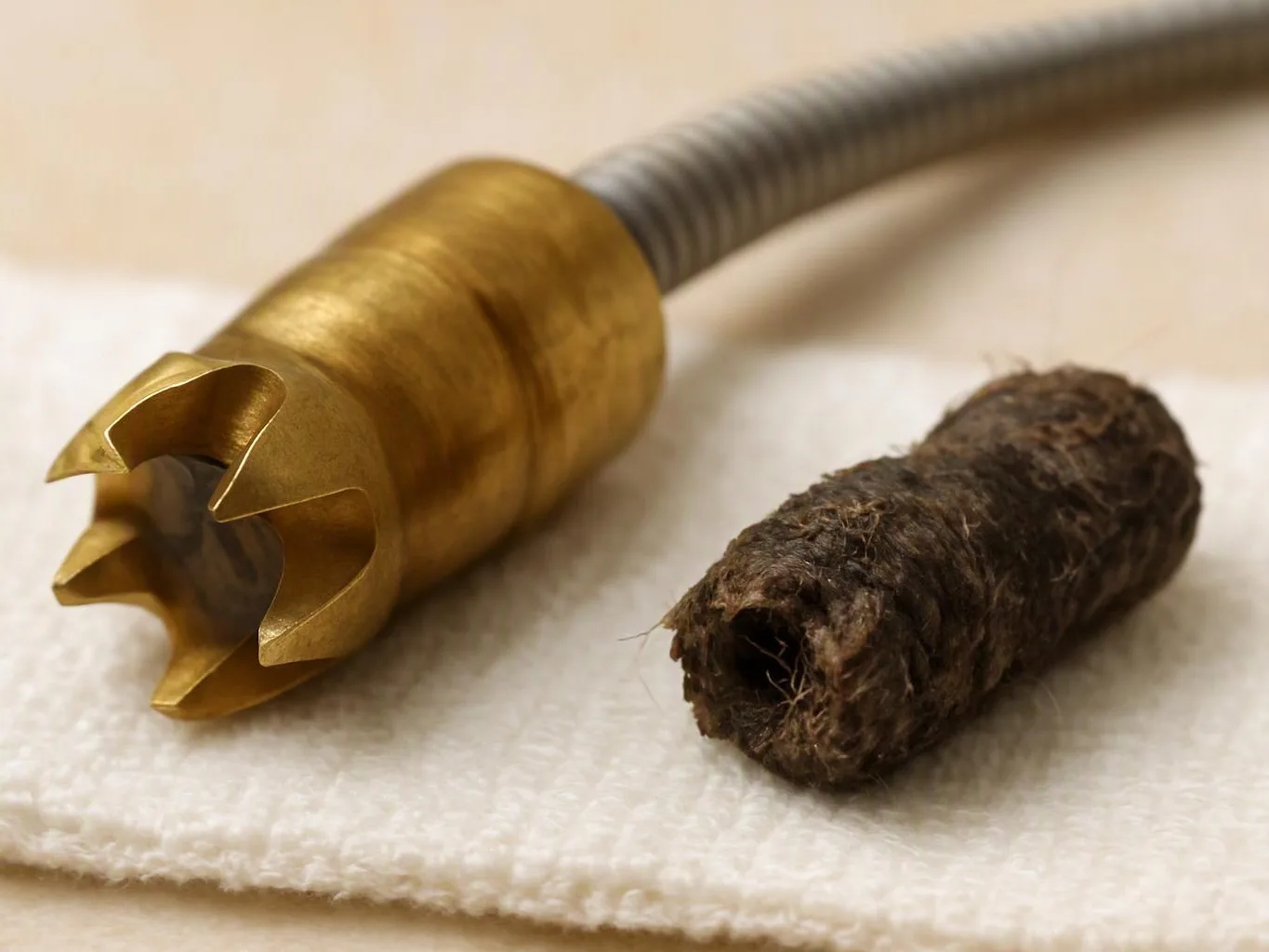
A heating element or thermostat can cause no hot water or inconsistent temperature. We also check the pressure relief valve, anode rod, leak source, sediment buildup, and water connections.
Our Water Heater Repair service focuses on the actual failure. We explain the repair scope before work begins.
Advantages of Repairing a Water Heater
Best Fit for Water Heater Repair
Water heater repair is best for a minor component failure when the tank remains sound. A repair decision becomes weaker when the tank shows broad corrosion, a leaking tank, or recurring breakdowns.
When Water Heater Replacement Makes Sense
Water heater replacement makes sense when the tank is leaking, unsafe, repeatedly failing, or no longer meets household needs. A tank leak and widespread corrosion can signal that repair will not restore long-term reliability.
Replacement may also fit when system capacity, fuel type, or energy source no longer suits the home. We compare storage tank water heater, tankless water heater, electric, gas, and hybrid options with the installation space and household demand.
Advantages of Replacing a Water Heater
Best Fit for Water Heater Replacement
Water heater replacement is best for tank failure, recurring repairs, or increased household demand. Installation planning should cover the unit, fuel type, connections, access, safety, and inspection requirements.
What Changes a Water Heater Repair Quote?
A water heater repair quote changes with the failed part, access conditions, connection type, and safety work required. Our diagnostic inspection identifies the repair scope before we prepare the quote.
We consider labor access, the water shutoff, electrical connection, gas connection, drain pan, and pressure relief valve. Permit or inspection needs may also affect the work when installation conditions require them.
To obtain an exact quote, we inspect the unit and explain which parts and safety checks the repair includes.
What a Water Heater Replacement Estimate Should Include
A water heater replacement estimate should identify the unit, installation work, connection changes, removal, and required inspection steps. We use the estimate to show what the changeout covers.
Can Installation Require Changes to Water Lines or Venting?
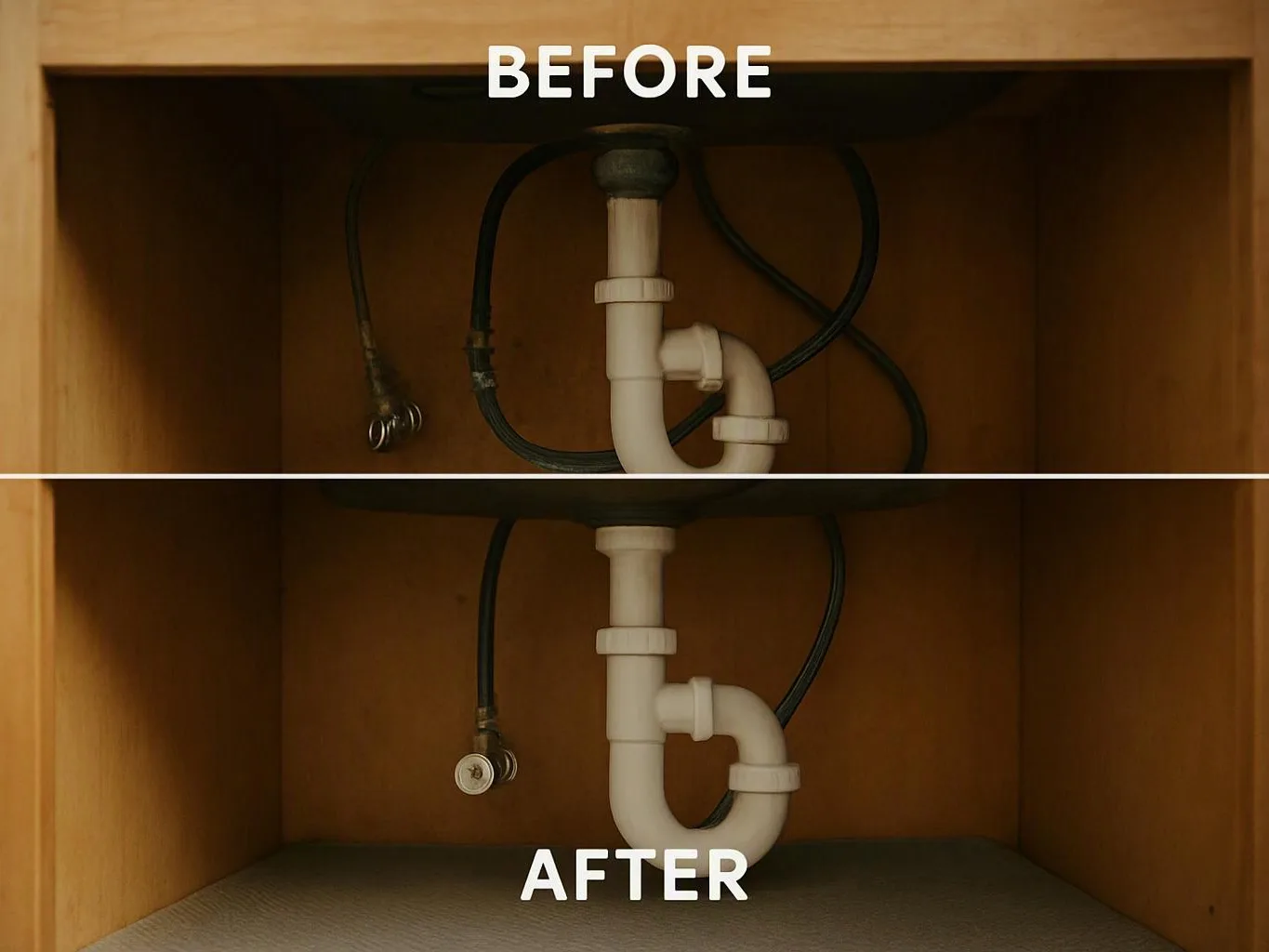
Yes, water heater installation can require changes to water lines, venting, gas connections, or electrical service. The required changes depend on the new unit, fuel type, location, and existing installation.
A gas water heater may need suitable venting and combustion air. An electric water heater may need a suitable electrical circuit and electrical connection.
Fuel conversion requires careful planning, and all work must meet code compliance requirements. Our team checks the installation requirements and advises licensed work for gas, plumbing, and electrical connections.
How We Decide Between Repair and Replacement
We decide between repair and replacement by checking safety, failure source, system condition, and household hot water needs. Our inspection keeps the decision tied to the actual water heater.
Is Repair or Replacement Cheaper for a Water Heater?
Repair usually has fewer immediate cost drivers, while replacement can make more sense when repairs recur or installation changes are needed. Labor, parts, access, removal, connections, and long-term value all affect the comparison.
A repair quote focuses on the failed component and required safety work. A replacement estimate includes the new unit, installation changes, removal, disposal, and inspection requirements.
We can inspect the system and provide an exact quote based on its condition and your household needs.
Questions About Water Heater Repair and Replacement
What are the warning signs that a water heater needs replacement?
A water heater may need replacement when it has a tank leak, broad corrosion, repeated breakdowns, or poor capacity for household demand.
Can a leaking water heater be repaired?
A leaking water heater can be repaired when the leak comes from a contained connection or replaceable part. A leaking storage tank usually requires a condition assessment and may call for replacement.
Does a water heater replacement require new plumbing connections?
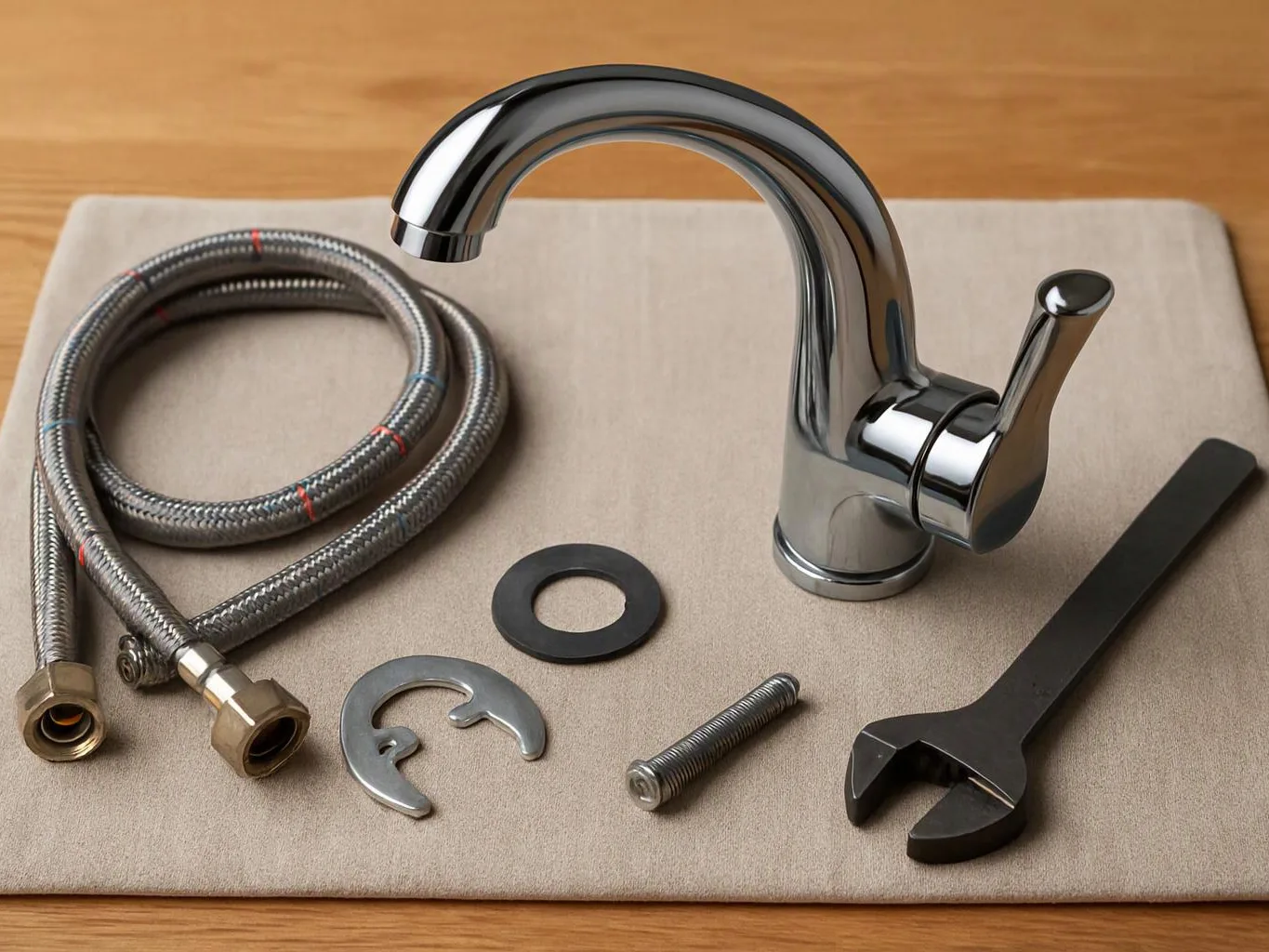
Water heater replacement may require new water lines, a shutoff valve, gas connection, venting, or electrical work when the new unit differs from the existing setup.
What should I do if my water heater is making unusual noises?
Unusual water heater noises can indicate sediment buildup or another failed component. Stop using the unit if you notice a safety concern, and contact our team for an inspection.
Can a water heater repair delay the need for replacement?
Water heater repair can delay replacement when the tank is sound and the failed component is contained. Recurring faults, corrosion, or a leaking tank can still make replacement the better fit.