Where do water leaks commonly occur around a home?
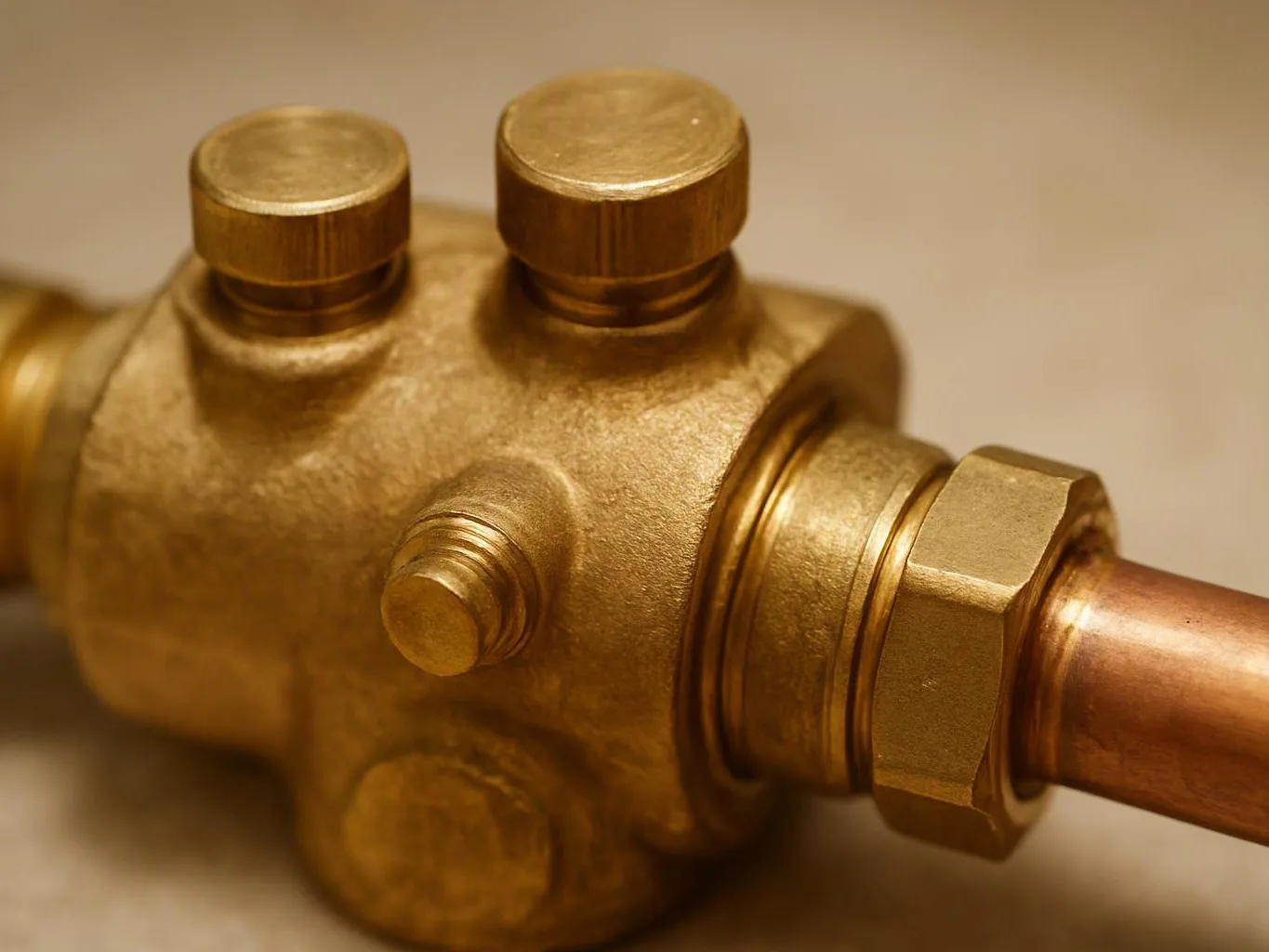
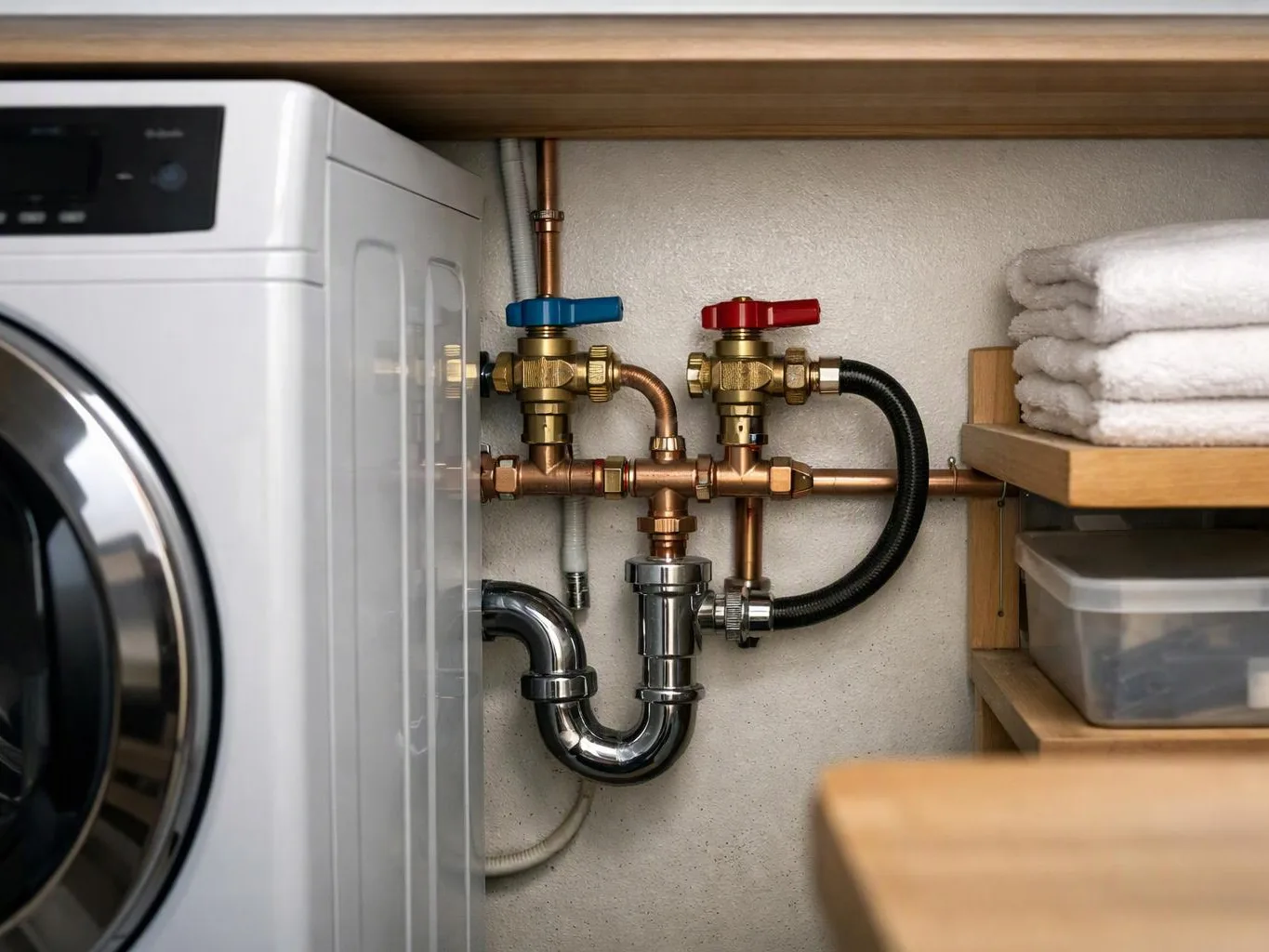
Fixture connections are common leak points around sinks, toilets, appliances, and water heaters. Loose fittings, worn seals, shutoff valves, and supply lines can release water slowly. We also check nearby cabinets, flooring, walls, and ceilings because water may travel from the original source. A visible drip does not always mark the full area that needs inspection.
How does PlumbingMaplevalley.info check a hidden plumbing leak?
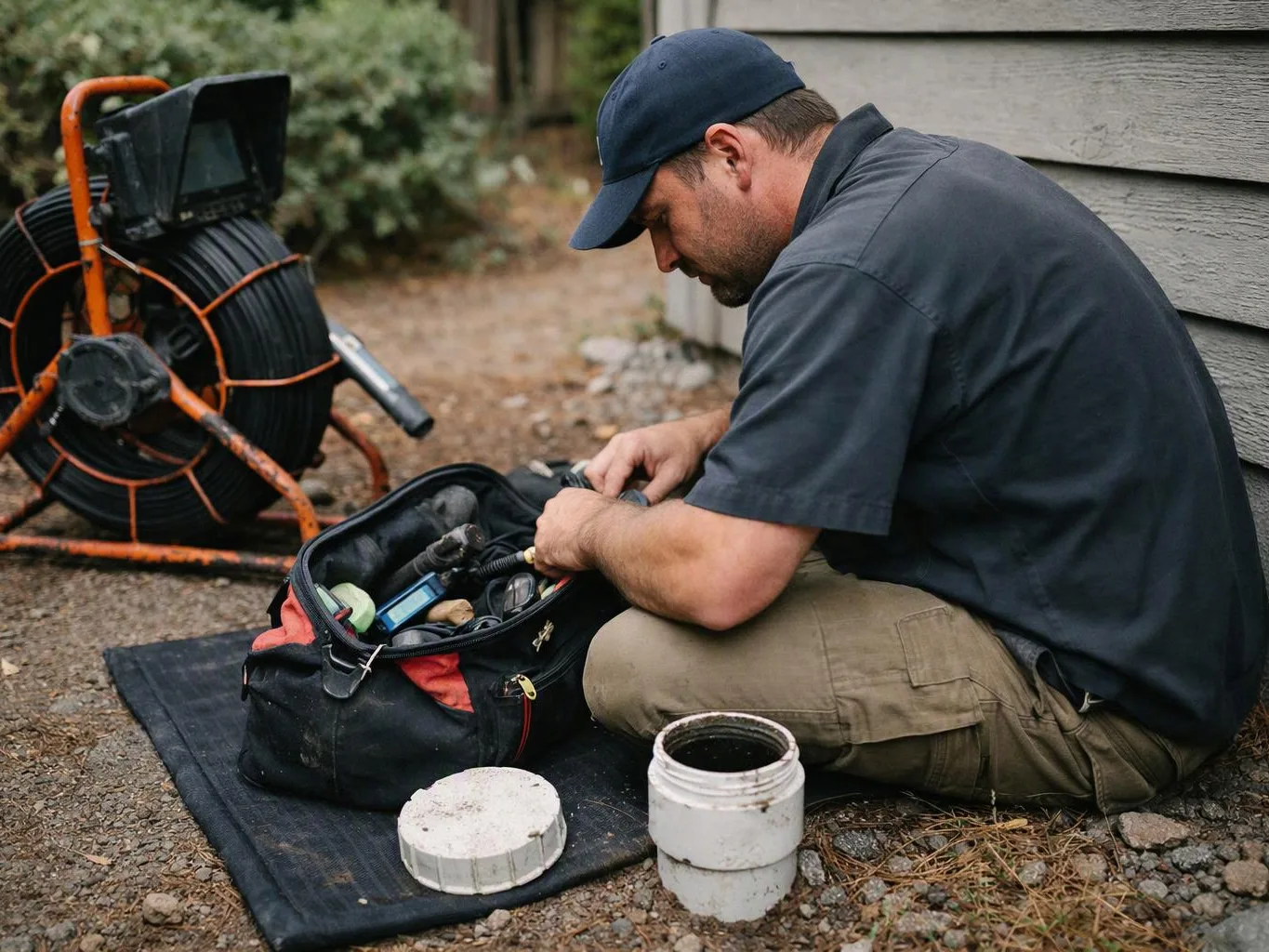
PlumbingMaplevalley.info checks visible plumbing first, then uses targeted methods for concealed leaks. We may consider acoustic leak detection, thermal imaging, or a pressure test based on the symptoms. The inspection also looks at wall cavities, ceiling pipes, and slab foundations. Findings guide the access plan and help separate detection from repair work.
What should I confirm before agreeing to leak detection?
The inspection scope, access needs, estimate terms, and expected repair decision should be clear before work starts. Ask which areas will be checked and whether repair work is separate from detection. We explain the proposed scope and provide an upfront estimate before work begins. Clear details help property owners plan around occupied rooms or business areas.
Which property conditions can change the inspection plan?
Finished walls, cabinets, ceilings, slab floors, and limited access can change the inspection plan. Moisture can also move away from the failed pipe, which affects where checks begin. We review the affected area and nearby plumbing before recommending access. Property owners should clear stored items around the suspected source when safe.
When should a ceiling stain receive a plumbing inspection?
A ceiling stain needs inspection when it grows, feels damp, returns, or sits below a bathroom or water line. The stain may come from a pipe, fixture, drain, or another source above the ceiling. We trace the plumbing path and explain the next repair step. Keep electrical items away from wet areas and avoid covering the stain.
Why can a small leak cause a larger wet area?
Water can move along framing, flooring, cabinet bases, and other surfaces before it becomes visible. The first wet spot may sit away from the failed fitting or pipe. We inspect the visible area and follow the likely path back to the source. This helps determine whether a local repair or concealed pipe work is needed.
How do I prepare a property for the inspection?
Clear access to sinks, toilets, water heaters, cabinets, ceilings, and suspected wet areas before the inspection. Note which fixtures were running when the moisture appeared, and keep the affected area dry only if doing so is safe. Photos can help show changes over time. The information supports a more focused review of the plumbing.