What signs point to a hidden water leak?
Water stains are a strong warning sign when no nearby pipe is visible. Musty odors, meter movement, warm flooring, peeling paint, and damp cabinets can add support. The marked area may sit away from the failed pipe because water travels through framing or flooring. Keep the area dry and request an inspection before removing finishes.
How does property access change the leak check?
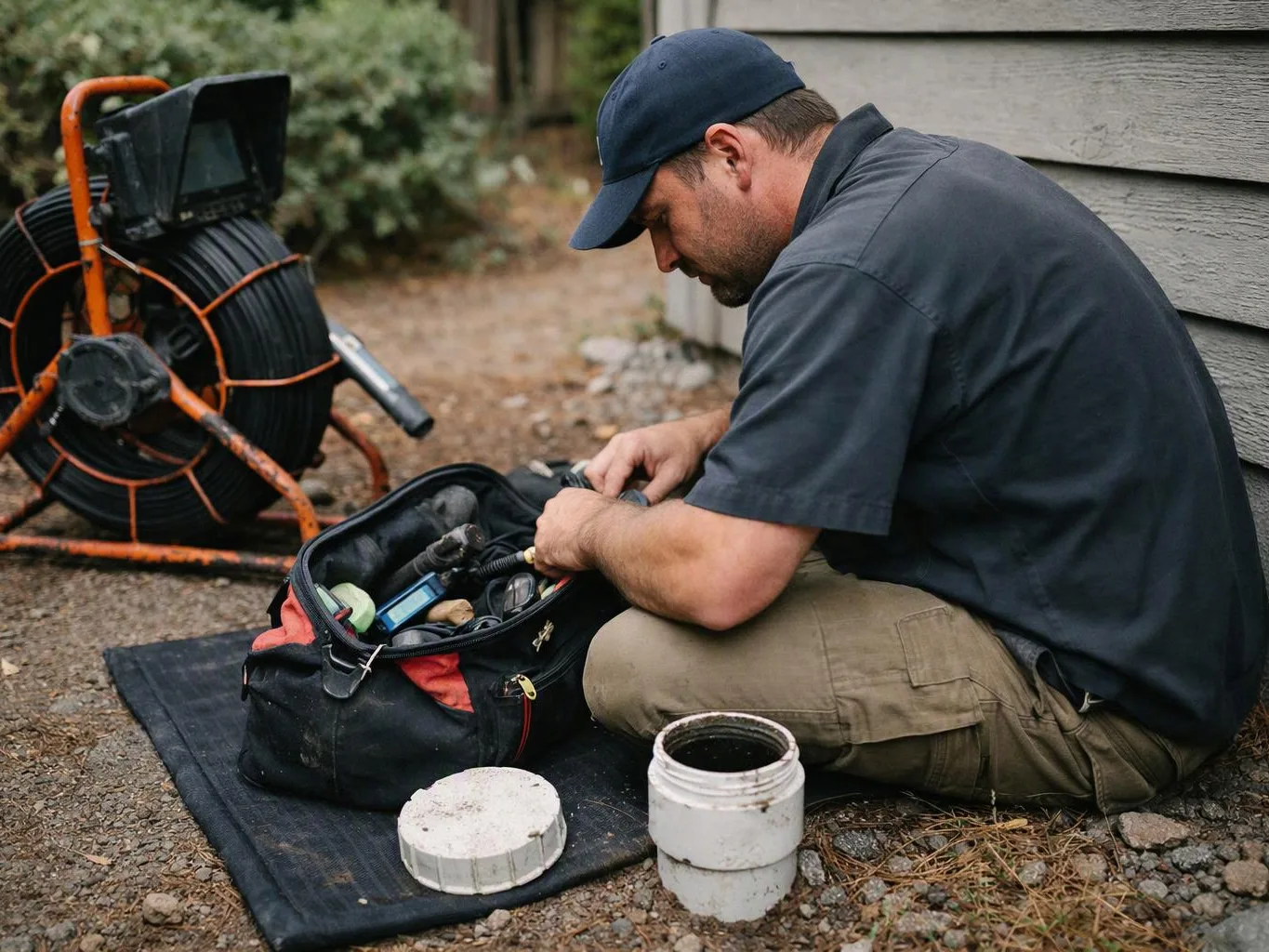
Property access changes which parts of the plumbing system can be inspected and tested. Clear space around fixtures, shutoff valves, cabinets, walls, and flooring before the visit. Exposed piping may allow direct checks, while concealed lines can require acoustic leak detection, thermal imaging, or a pressure test before repair access is planned.
Which plumbing parts should be checked first?
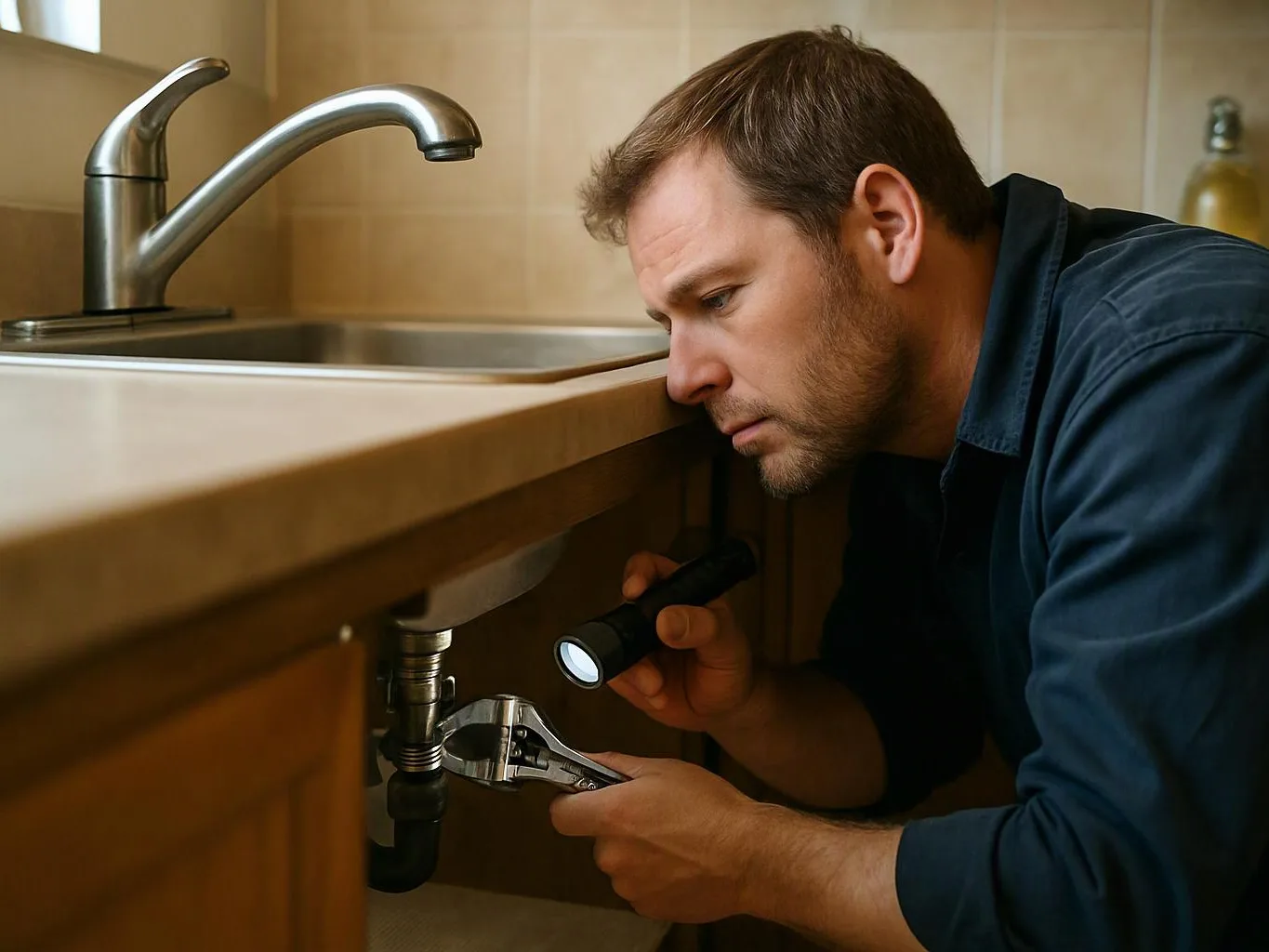
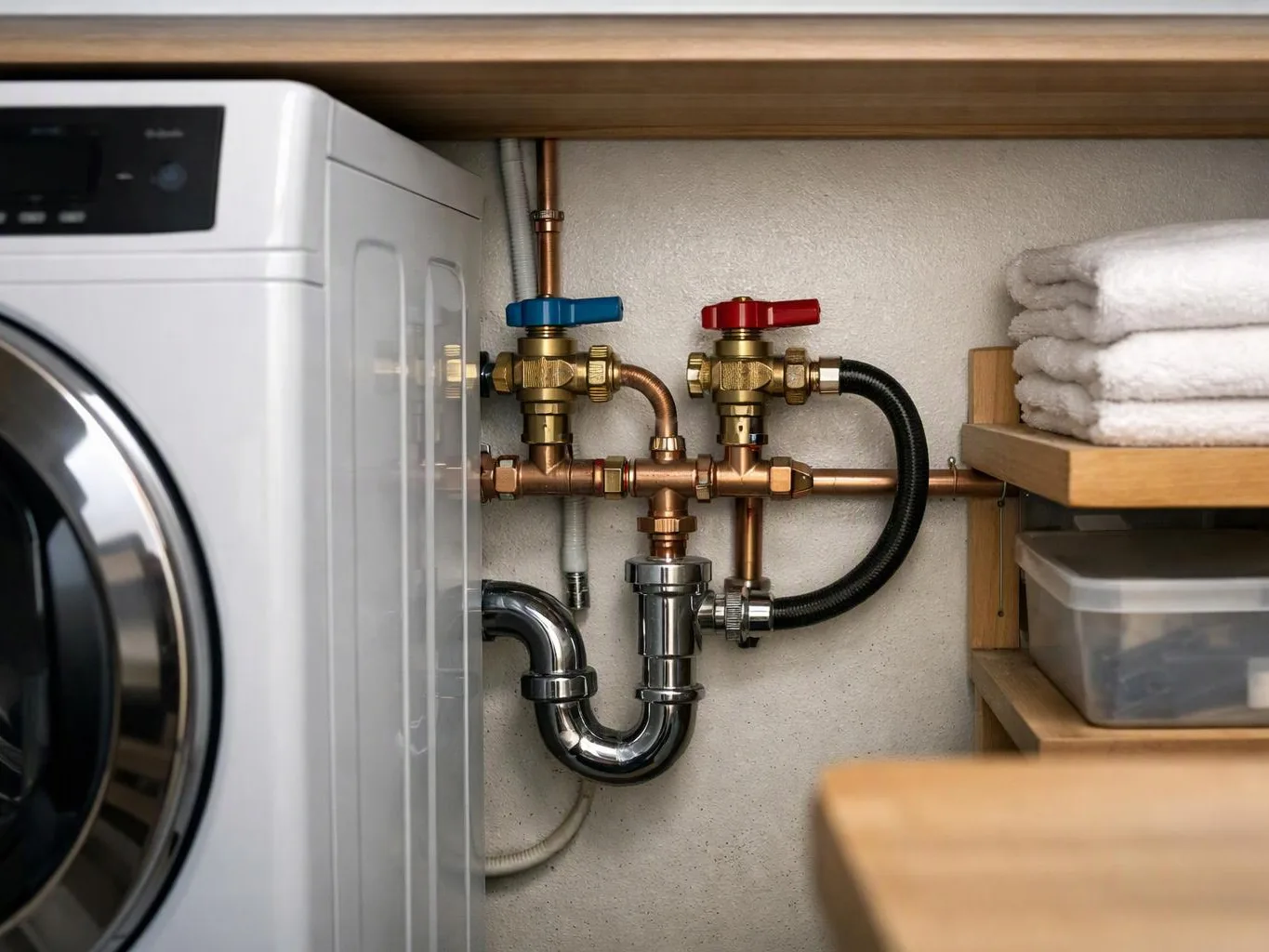
Nearby fixtures, supply lines, shutoff valves, toilets, water heaters, and accessible pipe joints deserve the first check. The order follows the symptom and the water path. A leak near a kitchen cabinet needs a different inspection focus from warm flooring beside a bathroom fixture.
When should I request a leak assessment?
Request a leak assessment when moisture returns, a meter moves with fixtures off, or a stain grows without a clear cause. Continued water movement can affect drywall, flooring, cabinets, and stored items. Shut off the nearest safe valve if you can identify it, then arrange plumbing help.
Why can a water stain appear away from the leak?
Water can travel along framing, subflooring, pipe surfaces, or other building paths before it reaches a visible finish. The stain therefore does not always mark the failed fitting. Inspection follows the path back toward fixtures, supply lines, and concealed plumbing so the repair decision is based on the source.
What changes the quote for a hidden leak check?
Access, suspected pipe location, testing needs, and follow-up repairs change the quote. A visible fixture leak has a different scope from a concealed line below flooring or behind a wall. We review the property condition and provide an upfront estimate before recommended work begins.
How should I prepare before the inspection starts?
Clear access to affected rooms, fixtures, shutoff valves, cabinets, and utility areas before the inspection. Photos of stains and notes about meter movement can help explain the pattern. Do not cut into a wall or floor unless the repair plan calls for that access.