Why Water Pressure Changes in a Home
Causes of low water pressure in a house include leaks, clogged fixtures, closed valves, damaged pipes, failing pressure regulators, and supply problems. PlumbingMaplevalley.info checks where the pressure drops to identify the cause and the right repair.
Request an EstimateWhat Causes Low Water Pressure in a House?
Low water pressure in a house usually comes from a leak, blockage, closed valve, damaged pipe, faulty regulator, or weak supply. A pressure change can affect one fixture or the whole plumbing system.
Our team checks the water supply, visible fixtures, and main controls to locate the restriction. A water leak, partly closed shutoff valve, or failing pressure regulator can reduce flow before water reaches your faucets.
We also look for signs that the problem sits inside the home or outside it. The location of the pressure loss helps us choose the right inspection path.
Common Causes of Low Water Pressure Throughout a Home
Whole-house water pressure loss usually points to a restriction or fault before the individual fixtures. The table shows how common findings can guide the next inspection.
Our team considers the condition of each part and how the symptoms developed. A sudden change may point to a valve or regulator, while gradual loss may suggest buildup or corrosion.
| Possible cause | What it can affect | What we inspect |
|---|---|---|
| Main shutoff valve partly closed | Most or all fixtures | Valve position and operation |
| Pressure-reducing valve fault | Whole-house pressure | Regulator response and pressure readings |
| Restricted water service line | Flow entering the home | Line condition and connection points |
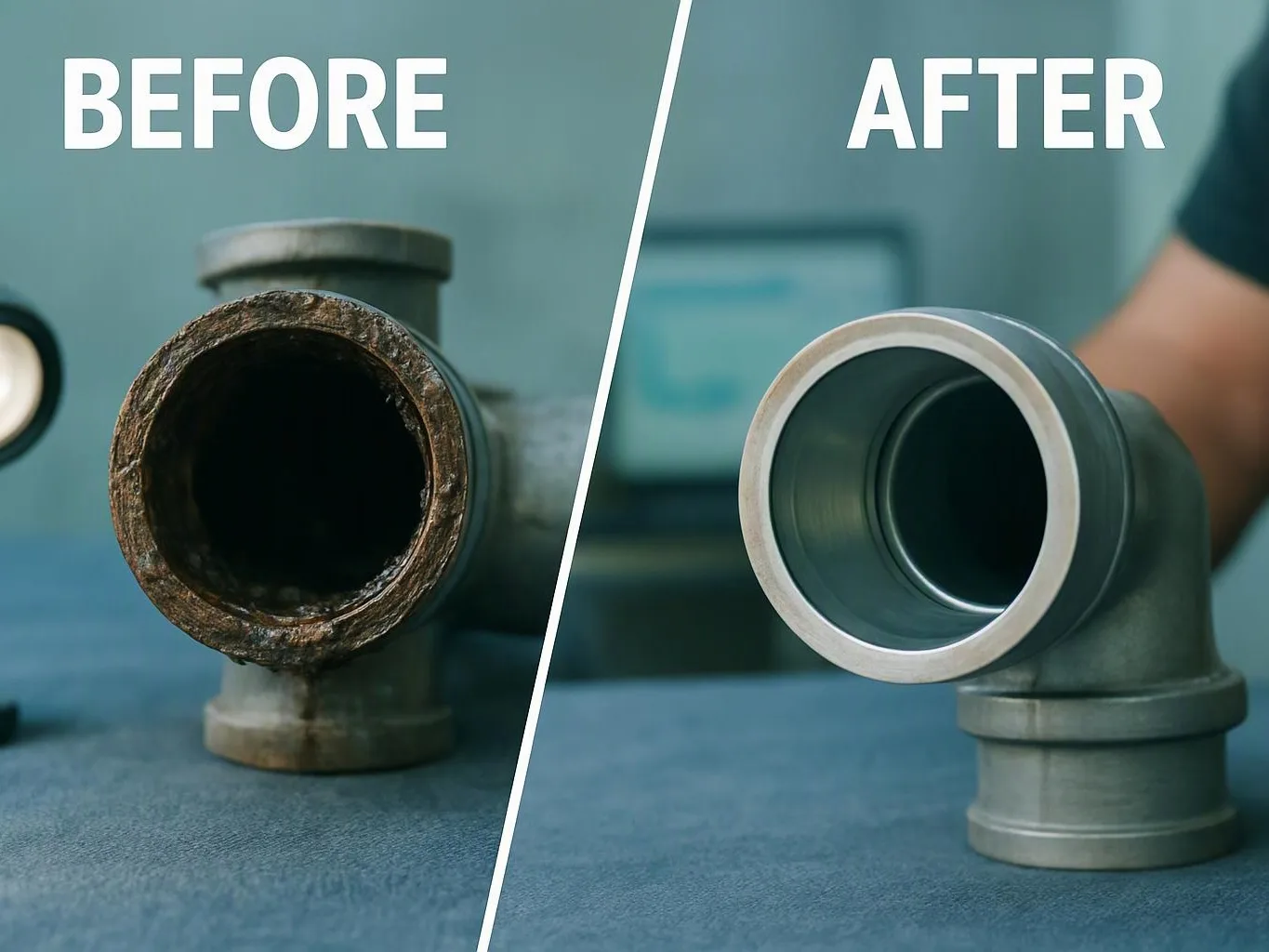
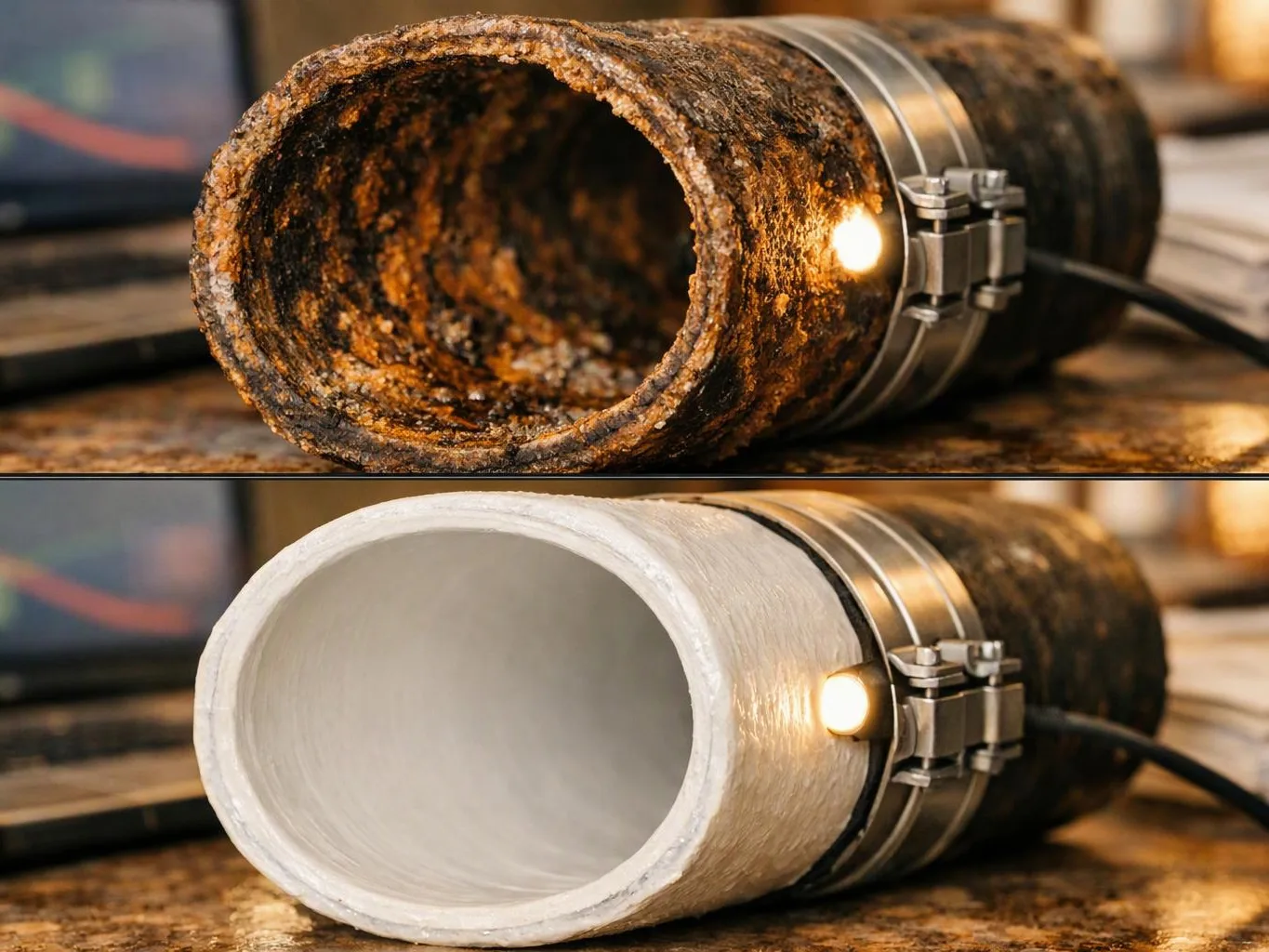
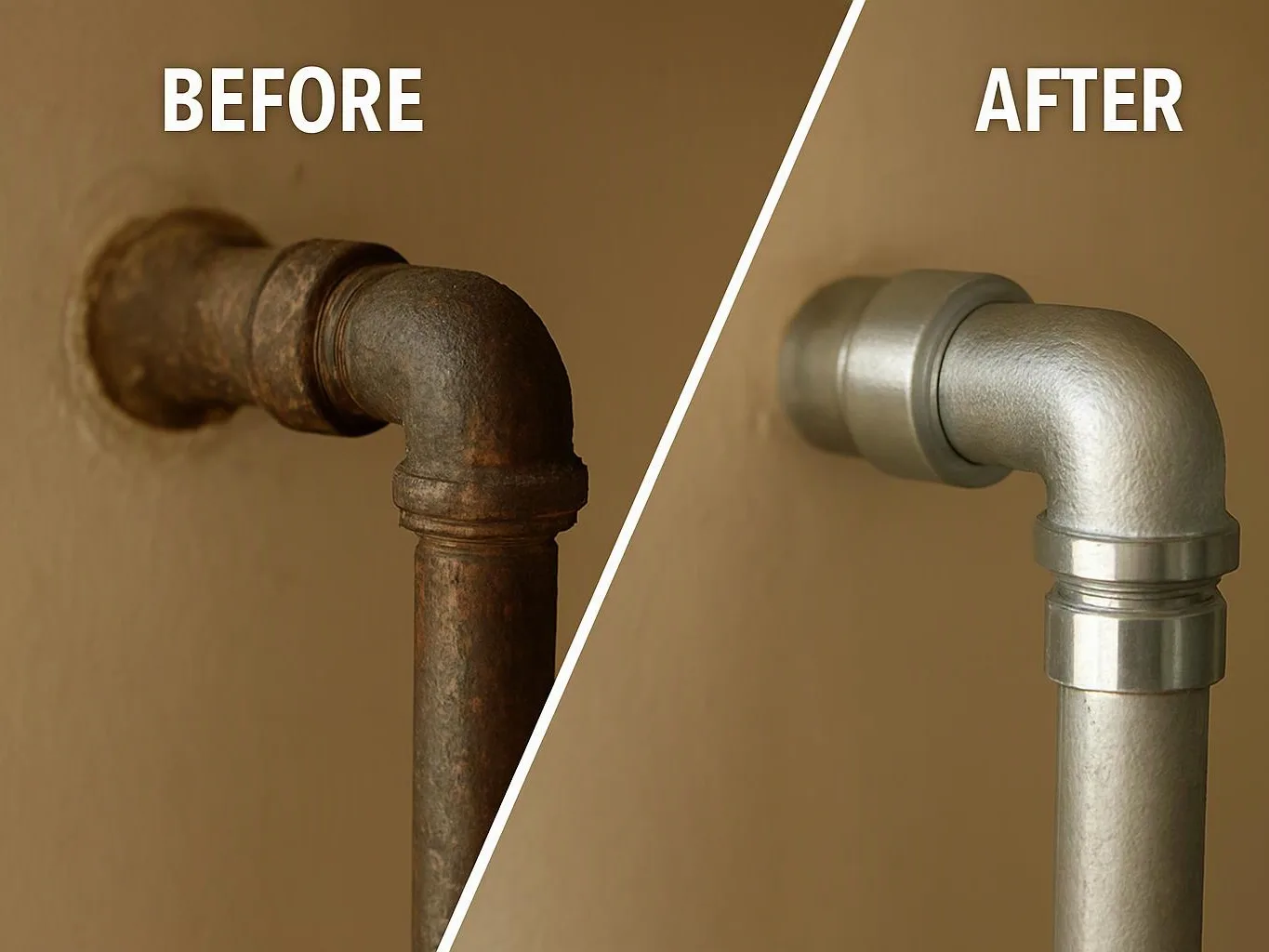
| Pipe corrosion or mineral buildup | Affected branches or fixtures | Pipe openings, flow patterns, and fixture restrictions |
| Municipal water supply change | The property’s incoming supply | Pressure at the supply entry and customer-side plumbing |
How the Location of the Pressure Drop Narrows the Cause
The location of the pressure drop shows whether the restriction affects one fixture, a branch pipe, or the main water line. A problem at multiple fixtures usually points farther upstream.
Our team compares flow at nearby fixtures and checks where pressure changes occur. This helps separate a fixture blockage from whole-house pressure loss.
Why Is Water Pressure Low at Only One Faucet?
Low pressure at one faucet usually points to a clogged aerator, restricted supply tube, closed valve, or failing faucet part. A localized blockage can reduce flow even when other fixtures work normally.
A faucet aerator can collect mineral deposits, while a faucet cartridge can wear or restrict water. Our team also checks the fixture shutoff valve and supply tube for kinks, debris, or partial closure.
These checks help us avoid treating a single-fixture problem as a whole-house plumbing fault. The repair path depends on which part limits the flow.
Can a Plumbing Leak Cause Low Water Pressure?
Yes, a plumbing leak can cause low water pressure when escaping water reduces flow through the home’s plumbing system. A hidden leak may also cause water damage before you see standing water.
Wet walls, damp cabinets, sound near closed fixtures, or unusual meter activity can support a leak concern. We use water leak detection methods to check likely areas without guessing at the repair location.
Our team also considers whether the loss occurs inside the home or along the water service line. Leak access, pipe condition, and surrounding damage can shape the repair plan.
What Should You Check Before Scheduling Water Pressure Repair?
A clear record of the symptoms helps our team identify the pressure problem faster. Note what changed, where it happens, and whether water use affects the flow.
You can safely observe the following conditions without opening pipes or adjusting regulated equipment.
Stop observing and contact our team if you see active leaking, flooding, or damage. Plumbing repairs beyond simple visual checks should be handled by licensed professionals.
How We Diagnose Changing Water Pressure
Our team uses water pressure testing to compare flow at the supply entry, fixtures, and key control points. We then match the readings with the symptom pattern.
We inspect the main shutoff valve, pressure regulator, visible piping, and water line connections. When the readings suggest a hidden problem, we use leak detection and targeted water line inspection.
Our process focuses on the pressure drop’s location before we recommend work. You can review our Water Pressure Repair service when the symptoms point to a control, restriction, or supply problem.
When Water Pressure Repair Is the Right Service
Water Pressure Repair fits problems involving a pressure regulator, blocked pipe, main shutoff valve, or water service line. The service is appropriate when testing shows restricted or unstable flow without a separate leak source.
Our team checks the affected components and explains which repair matches the pressure readings. We also consider access, pipe condition, and whether the problem affects the entire home.
When Leak Detection or Water Line Repair Is Needed
Water Leak Detection or Water Line Repair is needed when pressure loss points to a hidden water leak, underground water line, or damaged pipe. These problems can continue causing water damage if they aren't addressed.
Our team traces the likely leak path and checks the water line’s condition. The repair method depends on where the damage sits and how safely the line can be reached.
What Determines the Repair Needed for Low Water Pressure?
The needed repair depends on the pressure problem’s location, the damage involved, and how the plumbing can be reached. Our team uses those factors to define the repair scope.
Several conditions can change the work required:
Our team explains the findings before work begins. The quote reflects the parts, access, labor, and testing required for the identified repair.
When Should You Treat Low Water Pressure as an Urgent Plumbing Problem?
Treat low water pressure as urgent when it appears suddenly with an active leak, flooding, pipe noise, or visible water damage. These signs can point to a burst pipe or fast-moving plumbing failure.
Discolored water can signal disturbance, corrosion, or another water quality concern. Unusual plumbing noise can also indicate air, pressure changes, or a damaged component.
Turn off the nearest safe shutoff valve if water is actively escaping, and contact our team. Don't enter flooded areas near electrical equipment, and don't open walls or underground lines to search for the fault.
Questions About Changing Water Pressure
Why does water pressure drop when more than one faucet is running?
Water pressure drops with multiple faucets when the available supply cannot deliver enough flow through the plumbing system. A restricted water line, blocked pipe, failing regulator, or weak municipal supply can make the change more noticeable.
Can a water pressure regulator make pressure change suddenly?
Yes, a failing water pressure regulator can cause sudden pressure changes across the home. Our team checks the regulator’s response and compares it with pressure readings at other points.
Why does water pressure get worse after plumbing work?
Water pressure can worsen after plumbing work when debris enters a fixture, a valve remains partly closed, or a connection restricts flow. Our team checks the recently affected area and compares it with the original pressure pattern.
What does low water pressure with noisy pipes mean?
Low water pressure with noisy pipes can indicate trapped air, a loose component, a restricted valve, or a changing supply condition. Our team checks the pressure pattern and piping before deciding whether the issue involves a regulator, leak, or water line.